

 Muhammad Naeem
Nasha poetry captures the highs and lows of intoxication through rich and evocative language. Poets use specific meter, rhyme schemes, and repetition to create a trance-like rhythm that immerses readers in longing and surrender. The imagery of night, moonlit gatherings, fragrant gardens, and wine enhances the atmosphere of enchantment and sadness.
اچھا ہوا کہ میرا نشہ بھی اتر گیا
تیری کلائی سے یہ کڑا بھی اتر گیا
To metaphorically depict the spiritual journey of the soul towards unification with the divine, Nasha poetry tackles themes of love, passion, and the intoxication of the soul—often associated with wine, opium, and other emblems of altered states.
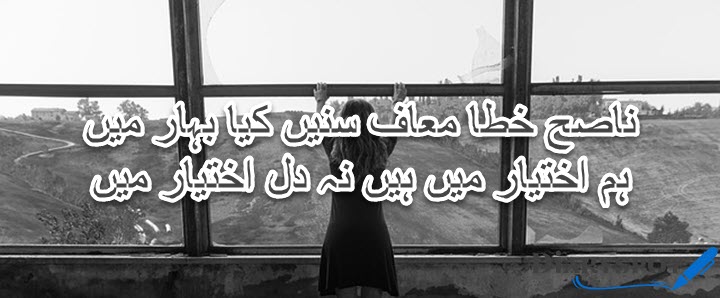
This type of poetry frequently arouses a sense of desire, a profound yearning that emerges when one’s soul feels constrained by the physical world but yearns for the vast, ethereal, and unknown.
Nasha Poetry in Urdu Text
Contemporary poets are reworking Nasha poetry by blending classic themes with modern sociopolitical issues. They explore identity, exile, and resistance, expressing the disorientation of relocation, the bittersweet feeling of being uprooted, and the yearning for freedom in oppressive environments.
Intoxication becomes a collective cry for emancipation as well as a personal and spiritual experience.
یہاں کوئی نہ جی سکا نہ جی سکے گا ہوش میں
مٹا دے نام ہوش کا شراب لا شراب لا
The beauty of classical and contemporary Urdu shayari lies in its universal resonance. If you find solace in these verses, explore the profound artistic depth of Sharab Poetry in Urdu, alongside the poignant lyrical expressions in Eyes Poetry in Urdu and Nusrat Fateh Ali Khan Poetry in Urdu.
The beauty of classical and contemporary Urdu shayari lies in its universal resonance. If you find solace in these verses, explore the profound artistic depth of Sharab Poetry in Urdu, alongside the poignant lyrical expressions in Eyes Poetry in Urdu and Amjad Islam Amjad Poetry in Urdu.
یہ واعظ کیسی بہکی بہکی باتیں ہم سے کرتے ہیں
کہیں چڑھ کر شراب عشق کے نشے اترتے ہیں
The works of renowned poets like Omar Khayyam, Hafez, and Rumi, who used the theme of intoxication to convey spiritual revelations, demonstrate the historical roots of nasha poetry in Persian and Arabic literary traditions.
These poets, who are frequently called Sufi mystics, portrayed love for the holy as an overwhelming experience that is similar to the effects of wine by using the language of intoxication. In this perspective, wine is both a physical substance and a metaphor for the divine love that raises the soul to a higher state of consciousness and obliterates the ego.
اتنی پی جائے کہ مٹ جائے میں اور تو کی تمیز
یعنی یہ ہوش کی دیوار گرا دی جائے
نشہ ٹوٹا نہیں ہے مار کھا کر
کہ ہم نے پی ہے کم کھائی بہت ہے
Nasha Poetry in Urdu Love
As Sufism spread throughout the medieval Islamic world, especially in South Asia, Nasha poetry flourished. Poets such as Amir Khusrau and Mirza Ghalib adapted the essence of Sufism and wrote lyrics that glorified the seductive attraction of the divine as well as human love.
Ghalib’s poetry examines melancholy, as the poet drinks to transcend and escape worldly misery while seeking a greater truth beyond the boundaries of everyday life.



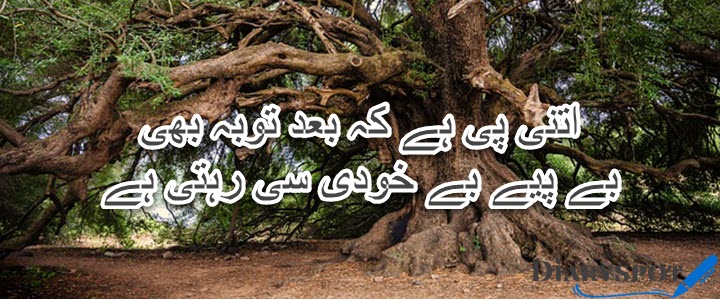
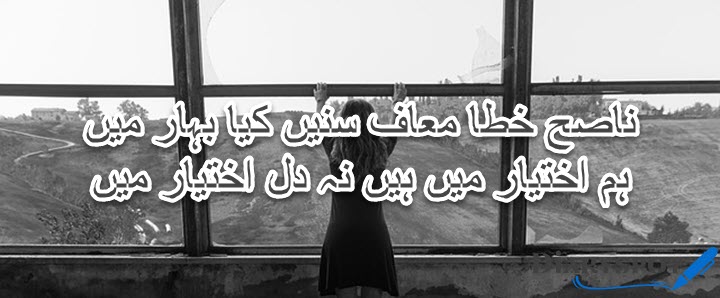
This poetry genre relates to the universal human experience of seeking transcendence, purpose, and connection by encapsulating the intoxication of both love and spirituality.
نشہ تھا زندگی کا شرابوں سے تیز تر
ہم گر پڑے تو موت اٹھا لے گئی ہمیں
تجھ سے حجاب کیا مگر اے ہم نشیں نہ پوچھ
اس درد ہجر کو جو شب غم اٹھا نہیں
Sad Nasha Poetry in Urdu
Nasha poetry beautifully blends sensual imagery with profound themes. It often features a cupbearer, symbolizing an elusive beloved or mystical guide. This genre explores the protagonist’s drunkenness as a spiritual or physical state, depicting the beloved as both an earthly lover and a divine figure. The soul’s journey toward unity with the beloved reflects a quest for connection with God.
This pursuit, marked by joy and sorrow, resonates with universal themes of yearning, heartbreak, and fulfillment.
ہم کو وہ شخص فریبوں کا نشانہ کر کے
اب جہاں بھر کا وفادار ہوا جاتا ہے
نشہ پلا کے گرانا تو سب کو آتا ہے
مزا تو تب ہے کہ گرتوں کو تھام لے ساقی
دھولا چکے تھے مل کر کل لونڈے میکدے کے
پر سرگراں ہو واعظ جاتا رہا سٹک کر
Nasha poetry captures the highs and lows of intoxication through rich and evocative language. Poets use specific meter, rhyme schemes, and repetition to create a trance-like rhythm that immerses readers in longing and surrender.
The use of ghazals, with their rhymed couplets and refrains, further deepens the immersive quality of Nasha poetry.
سنا ہے تیری صورت دیکھنے والے
کوئی اور نشہ نہیں کرتے
ترک مے ہی سمجھ اسے ناصح
اتنی پی ہے کہ پی نہیں جاتی
مے کدے میں نشہ کی عینک دکھاتی ہے مجھے
آسماں مست و زمیں مست و در و دیوار مست
لوگ کہتے ہیں رات بیت چکی
مجھ کو سمجھاؤ! میں شرابی ہوں
Nasha poetry appeals to anybody who has ever felt the pull of something bigger than themselves because of its expressive language and intricate symbolism, which cut beyond cultural and chronological borders.
For readers who appreciate these expressive thoughts and find solace in poetic contemplation, you will also deeply enjoy exploring our related collections in Friendship Shayari in Urdu, Friends Poetry in Urdu, Barish Poetry in Urdu.




Add comment