

 Muhammad Naeem
The intriguing genre of “wine poetry,” or sharab poetry, is intricately entwined into the literary traditions of Arabic, Persian, Urdu, and even Turkey. To express themes of love, spirituality, emancipation, and existential desire, this literary form frequently employs alcohol and intoxication as metaphors.
آئے تھے ہنستے کھیلتے مے خانے میں
جب پی چکے شراب تو سنجیدہ ہو گئے
But the word “sharab” (which means “wine” in Arabic, Persian, and Urdu) has deeper meanings than just the actual beverage; it refers to a world in which being drunk signifies freedom from material worries, enlightenment, or fervent devotion to love. In Sharab poetry, wine might represent the holy nectar, forbidden ecstasy, or freedom from earthly restraints. It is both real and symbolic.
The poems, renowned for their emotional depth and poetic beauty, invite readers to glimpse a complicated world where joy and sorrow intermingle.
Sharab Poetry in Urdu Text
Wine is frequently served in Sharib poetry by a mystical or adored cupbearer, referred to as the “saqi.” A key character in the imagery is the saqi, who represents a go-between who links the poet to the holy or the object of their love.
One interpretation of Saqi’s role in poetry is that of an idealized lover, and another is that of a spiritual mentor who helps the poet reach transcendence. Well-known poets like Mirza Ghalib and Allama Iqbal in Urdu and Hafiz, Rumi, and Omar Khayyam in Persian tradition frequently used the motifs of sharab and saqi to discuss forbidden love, sensual desires, and spiritual ecstasies.
لطفِ مے تجھ سے کیا کہوں
ہائے کمبخت تو نے پی ہی نہیں
Poetry enthusiasts often discover that deep emotional themes interconnect across different styles and eras. You can further expand your reading with our evocative compilations of Eyes Poetry in Urdu as well as the memorable couplets in Rabi Ul Awal Poetry in Urdu and Mohsin Naqvi Poetry in Urdu.
Poetry enthusiasts often discover that deep emotional themes interconnect across different styles and eras. You can further expand your reading with our evocative compilations of Eyes Poetry in Urdu as well as the memorable couplets in Rabi Ul Awal Poetry in Urdu and Akhter Ansari Poetry in Urdu.
تیرا شباب رہے ہم رہیں شراب رہے
یہ دور عیش کا تا دورِ آفتاب رہے
The celebration of beauty and sensuality is another significant aspect of Sharab poetry. The detailed descriptions of the color, flavor, and scent of the wine demonstrate a love of aesthetics and sensory delights.
Poets embrace wine’s emotional and physical effects by personifying it as a muse. The poems invite readers to experience the intensity of life in all its manifestations by capturing moments of transcendence that result from giving in to passion and beauty.
کچھ بھی بچا نہ کہنے کو ہر بات ہو گئی
آؤ کہیں شراب پئیں رات ہو گئی
زاہد شراب پینے دے مسجد میں بیٹھ کر
یا وہ جگہ بتا دے جہاں پر خدا نہ ہو
Sharabi Shayari 2 Lines In Urdu
Sharab poetry strikingly balances restraint and freedom. Poets express enchantment with wine while recognizing its fleeting effects. This creates tension between spiritual goals and human desires, highlighting self-control versus excess. The poets’ intoxication symbolizes a longing to escape reality, yet they understand this euphoria is temporary.
This duality illustrates the complex human condition, torn between desire and the inevitable return to sobriety, adding depth to Sharab’s poetry.



Sharab poetry explores the human condition, focusing on themes of desire, love, and spirituality. It celebrates life’s fleeting pleasures and tragedies, embodying a longing to transcend reality. The metaphor of wine conveys complex emotions, resonating with readers across cultures.
اب تو اتنی بھی میسر نہیں مے خانے میں
جتنی ہم چھوڑ دیا کرتے تھے پیمانے میں
زاہد شراب پینے سے کافر ہوا میں کیوں
کیا ڈیڑھ چلو پانی میں ایمان بہہ گیا
Sharab Poetry in Urdu for Girl
It is especially well-known that Sharab poetry is paradoxical. At first glance, poets may appear to be merely enjoying wine and drunkenness.
However, deeper levels of meaning become apparent with closer inspection. For example, the wine depicts divine love rather than a material element in Rumi’s poetry, which frequently explores the states of “intoxication” that arise from a mystical connection with the divine.
لطف مے تجھ سے کیا کہوں
ہائے کم بخت تو نے پی ہی نہیں
ترک مے ہی سمجھ اسے ناصح
اتنی پی ہے کہ پی نہیں جاتی
پہلے شراب زیست تھی اب زیست ہے شراب
کوئی پلا رہا ہے پئے جا رہا ہوں میں
In his poetry, Rumi extols this love as a transforming force that purges the self, a process he likens to the effects of wine on a person. In Omar Khayyam’s *Rubaiyat*, the poet uses wine as a metaphor to emphasize living fully, accepting mortality, and discovering beauty in impermanence, highlighting the transient essence of existence.
Urdu sharab poetry developed into more complex portrayals of hopelessness and longing. The imagery of shattered wine glasses and spilled wine in Mirza Ghalib’s couplets alludes to his unrequited love and the pain it caused him.
قرض کی پیتے تھے مے لیکن سمجھتے تھے کہ ہاں
رنگ لاوے گی ہماری فاقہ مستی ایک دن
ذوقؔ جو مدرسے کے بگڑے ہوئے ہیں ملا
ان کو مے خانے میں لے آؤ سنور جائیں گے
پلا دے اوک سے ساقی جو ہم سے نفرت ہے
پیالہ گر نہیں دیتا نہ دے شراب تو دے
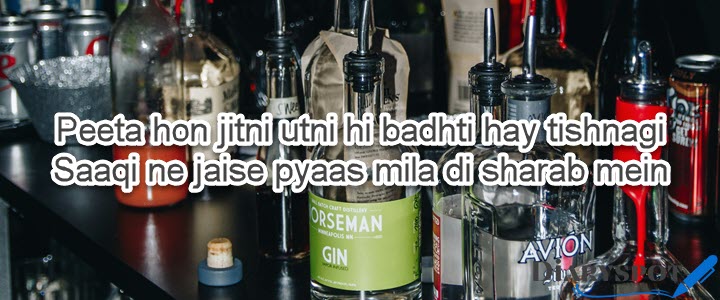
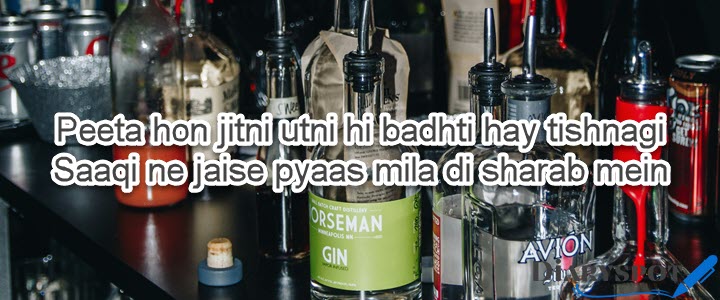
پیتا ہوں جتنی اتنی ہی بڑھتی ہے تشنگی
ساقی نے جیسے پیاس ملا دی شراب میں
Readers find resonance in Ghalib’s poems as he reflects on suffering, disillusionment, and the pursuit of comfort through wine. In the same vein, Allama Iqbal examined the sharab as a symbol of self-realization and enlightenment, especially about reviving a feeling of dignity and purpose among Muslims.
Here, Iqbal’s appeal for a fervent, nearly drunken dedication to individual and group advancement transforms the wine into a symbol of wisdom and enlightenment. Instead of using alcohol as a way to escape, his poetry uses it as a tool to awaken and inspire.
For readers who appreciate these expressive thoughts and find solace in poetic contemplation, you will also deeply enjoy exploring our related collections in Nasha Poetry in Urdu, Friendship Shayari in Urdu, December Poetry in Urdu.



Add comment