

 Muhammad Naeem
Bulleh Shah, a renowned Sufi poet of the 17th and 18th centuries, holds a significant place in Punjabi literature. His poetry transcends time, place, and religion, captivating readers worldwide. Born Syed Abdullah Shah Qadri in 1680 in Uch, Punjab (now Pakistan), he is best known as Bulleh Shah.
ہر کوئی یار نہیں ہوندا بلھیا
کدی کلیا بہ کے سوچ تے سہی
He primarily wrote in Punjabi but also composed poetry in Sindhi, Siraiki, and Hindi. This made his work accessible to a wide audience, especially common people. His lyrics explore themes of heavenly love, human ego, self-realization, and the search for God. Bulleh Shah’s work is characterized by a unique blend of simplicity and profundity.
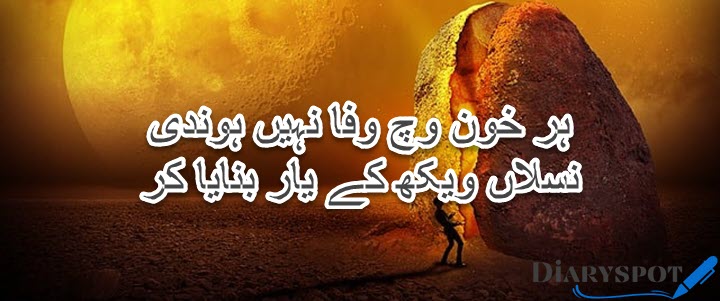
The battle between the ego and the soul is a common theme in Bulleh Shah’s writing. He highlights this conflict as the source of pain and separation from God. Bulleh Shah believes the ego acts as a veil between individuals and the Divine. True oneness with God can only be achieved by shedding the ego and embracing humility.
Baba Bulleh Shah Poetry in Urdu English
Bulleh Shah lived in a time when South Asia was experiencing tremendous political and religious change. Once a formidable force, the Mughal Empire was collapsing due to both internal unrest and foreign invasions. Bulleh Shah’s poems provided comfort and spiritual direction in the middle of this calamity.
Bulleh Shah, a Sufi, was profoundly influenced by the teachings of his spiritual master, the renowned Sufi saint Shah Inayat Qadiri. His spiritual mentor shaped his worldview and, consequently, his poetry.
Bulhiya ishq kamana okha
Kise nu yaar banana okha
Each couplet captures an enduring sentiment that speaks directly to the human heart. To immerse yourself in more touching imagery and meaningful verses, delve into our collections of Poetry On Allah in Urdu, Islamic Poetry in Urdu, and Sufi Shayari in Urdu.
Each couplet captures an enduring sentiment that speaks directly to the human heart. To immerse yourself in more touching imagery and meaningful verses, delve into our collections of Poetry On Allah in Urdu, Naat Poetry in Urdu, and Islamic Poetry in Urdu.
Chal bulhiya uthe chaliye jithe rahnde aane
Nah koi saadi zaat pichhane, nah koi saano mane
Bulleh Shah aimed to subvert the inflexible frameworks of religious orthodoxy, which frequently caused conflict and division, through his poetry. Rather, he highlighted the message of love and unity that cut across all denominational borders.
Bulleh Shah’s poetry has left a huge legacy. For generations, qawwals and folk singers have performed his compositions. Contemporary musicians, artists, and spiritual seekers have drawn inspiration from his work.
Jehan da nah jagg te koi
Oh vi patar palde vikhe
Maut nah vikhe umar nu
Ishq nah vikhe zaat
Bulleh Shah Poetry in Punjabi
His poetry addresses universal human experiences such as love, sorrow, longing, and the pursuit of meaning. This gives his work an ageless character. Bulleh Shah’s message of love, unity, and self-awareness remains vital today. This is true even as religion, politics, and identity become more polarizing.


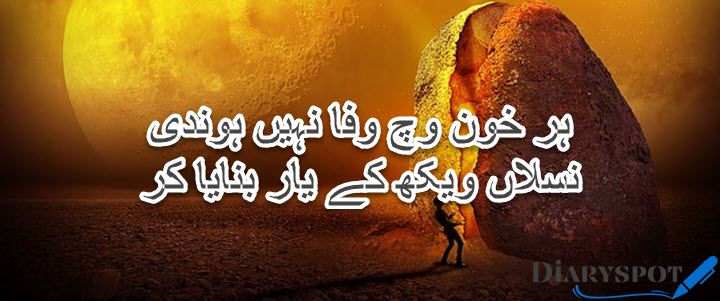


Bulleh Shah’s poetry actively rejects religious rituals and formalism, emphasizing an intimate, direct relationship with God. He expresses his belief that people can find God in their hearts rather than in physical structures or external symbols of religion.
In his verse, “Masjid dhaa de, Mandir dhaa de, Dhaa de jo kuch dhenda, Par kissi da dil na dhaween, Rabb dilan vich rehnda” (Destroy the mosque, destroy the temple, destroy anything you wish, but do not break anyone’s heart, for that is where God resides), he underscores this idea.
Tu ishq da kalma parh te sahi
Tinu duniya “kafir” lagdi ae
Aibaan wala banda main
Andron baron ganda main
Deep Bulleh Shah Poetry
Bulleh Shah frequently uses allegories and metaphors in his poetry, utilizing commonplace images to illustrate important spiritual lessons. The poet’s use of widely recognized traditional symbols, such as crops, seasons, rivers, and even the human body, lends relatability and accessibility to his poetry for the general public.
For instance, the renowned poetry “Bullah ki jaana main kaun” (literally, “Bullah, I do not know who I am”) explores the existential struggle to define oneself and the eventual recognition that one is only a reflection of God. The refrain “Bullah ki jaana main kaun” expresses the idea that human beings can only embrace humility and love in the face of the unfathomable mysteries of life and the world, and acts as a mantra of surrender.
Nah kar bulhiya meri meri, nah teri nah meri
Char dina da mela duniya fir mitti di dheeri
Amiri mein kya hai jo faqiri mein nahi
Duniya meri nahin, to duniya teri bhi nahi
Bare bande nu mein laban trya, par bura laba nah koi
Jad mein andar chati payi te meh tu bura nah koi
Bulleh Shah’s poetry emphasizes self-realization and self-awareness. He believed that the journey to God begins with looking within. This path is not easy. The seeker must confront their ignorance, darkness, and attachments. Bulleh Shah often describes this journey in terms of love—both divine and human.
He felt that love is the only force powerful enough to break through ego and illusion. His poetry expresses a deep yearning for the Divine and for the unity that comes from overcoming life’s dualities.
بے حیائی دی سوہنی سنگت
نالوں تنہای دی پاکی چنگی
مینو مجلس پاک محمد وچ
ہتھ پھڑ کے نال لیجا باہو
Din lang gaye Sikh wale
Ghama di agyi raat way bulhiya
Alif Allah dil rata mira
Menu be di khabar na koi
To sum up, Bulleh Shah Poetry in Urdu is evidence of the transformational potential of love and the never-ending pursuit of truth. His lyrics are straightforward but profound, inviting readers to look past the obvious and discover the Divine in others and themselves. His writings oppose hierarchies of power and division and advocate for a life based on self-awareness, humility, and compassion.
Also, explore our soulful collection of Dua Shayari In Urdu in Urdu and Jumma Mubarik Poetry in Urdu.
For readers who appreciate these expressive thoughts and find solace in poetic contemplation, you will also deeply enjoy exploring our related collections in Alwidai Poetry in Urdu, Islamic Poetry in Urdu, Jumma Mubarak Poetry in Urdu.
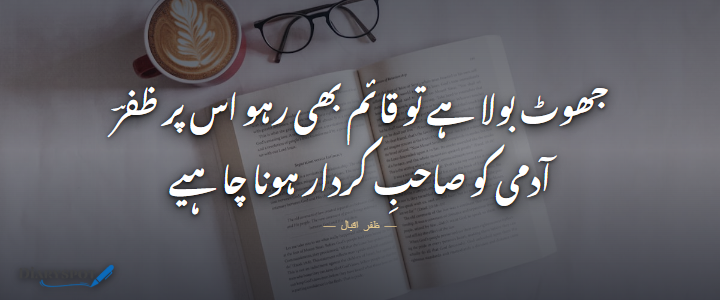
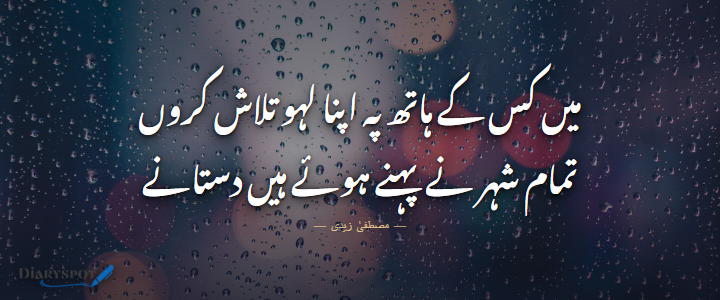


Add comment