

 Muhammad Naeem
Millions of people, especially Muslims, have a special place in their hearts for naat poetry, a highly regarded genre of Urdu literature. This literary form conveys the profound love and respect that believers have for the Prophet Muhammad (peace be upon him) by praising and glorifying him.
ہو طیبہ کا سفر چوم لوں میں خاکِ پا
مرے نصیب میں ایسی جو شام آ جائے
In addition to being a means of artistic expression, naat poetry is a vehicle for poets to communicate their adoration and spiritual devotion. The origins of Naat poetry can be found in the early Islamic era when poets wrote verses honoring the Prophet’s life, teachings, and virtues.

Naat poetry can take many different forms, from more contemporary free-verse forms to more conventional forms like ghazals and rubaiyat. The fundamental goal is always the same, regardless of form: to show love for the Prophet and to encourage people to consider their own religion. Because of its versatility, Naat poetry can change with the times without losing its essential meaning.
Poetry for Naat in English
Naat poetry is characterized by its emphasis on melodic structure, rhythm, and lyrical beauty. Poets frequently use a variety of literary techniques, such as alliteration, similes, and metaphors, to heighten the emotional impact of their poetry.
Usually colorful and expressive, the imagery in Naat poetry depicts the Prophet’s life and moral qualities, and functions as a beacon of light for humanity.
Likhte likhte qalam hi thak gayi sahib
Mere Muhammad صلى الله عليه وسلم ki tareefon ka jawab nahi
Urdu literature intricately weaves emotion and introspection across various moods; readers who appreciate these expressive thoughts will deeply resonate with our featured selections in Jumma Mubarik Poetry in Urdu and Eid Poetry in Urdu. Furthermore, the heartfelt reflections found in Islamic Poetry in Urdu offer a captivating companion to these timeless verses.
Urdu literature intricately weaves emotion and introspection across various moods; readers who appreciate these expressive thoughts will deeply resonate with our featured selections in Eid Ul Adha Poetry in Urdu and Islamic Poetry in Urdu. Furthermore, the heartfelt reflections found in Alwidai Poetry in Urdu offer a captivating companion to these timeless verses.
Mere aamaal to bakshish ke nahin thay phir bhi Nasir
Ki Muhammad صلى الله عليه وسلم ne shafa’at to Khuda maan gaya
These poems encourage readers and listeners to consider their own lives and spiritual journeys by highlighting the Prophet’s wisdom, humility, and compassion.
Naat poetry has cultural and artistic value, but it also contributes to education and spiritual development. A lot of poets are also academics who utilize their writing to enlighten people about the Prophet’s life and Islamic beliefs.
Yeh kaaynat na hoti agar Nabi na aate
Bahaar aayi yahan par Nabi ke aane se
Madad karenge ghurabon ki das guna milega
Yeh hoti kam nahi daulat kabhi lutane se
Naat Poetry in Urdu
There are many different ways to perform naat, ranging from straightforward recitations to intricate musical interpretations. Because of its adaptability, it can reach a large audience and cut through linguistic and cultural barriers. Naat poetry is frequently performed at religious festivals, such as Milad (the Prophet’s birthday) and other important Islamic occasions.
At these gatherings, the recitation of Naat helps to create a spiritually uplifting environment that encourages communal and group commitment.


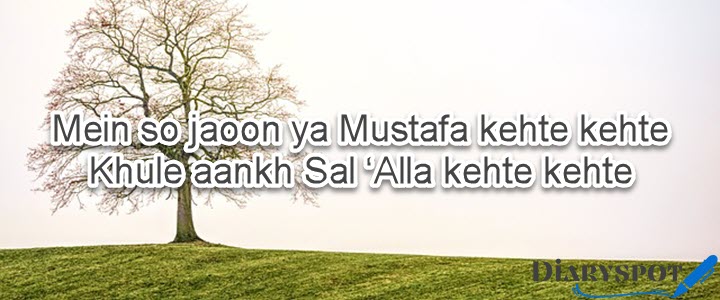
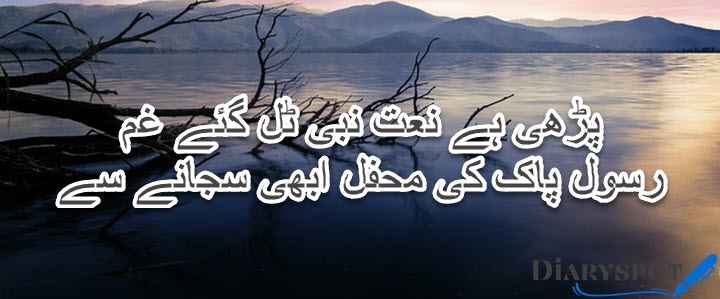
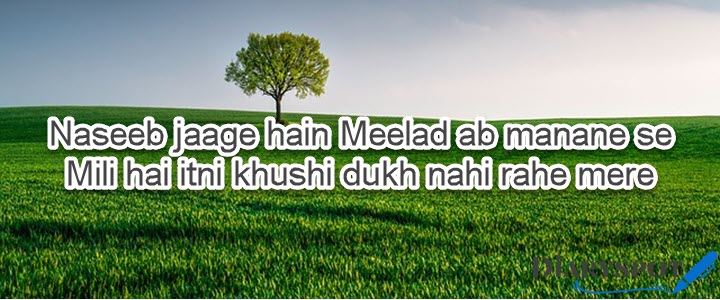
Since social media and digital platforms have made it possible for poets to share their work with a worldwide audience, Naat’s popularity has grown significantly in recent years.
Naat poetry resonates with audiences of all ages because of its depth of content, which makes it both timeless and relevant.
پڑھو درود نبی پر یہ ہے رضائے خدا
نبی کریں گے مدد اپنے پھر خزانے سے
نبی کا واسطہ ہے معتبر گھرانے سے
نہیں ہے خالی گیا کوئی آستانے سے
Naat Poetry in Urdu Text
With their distinct voices and viewpoints, several well-known poets have made important contributions to the Naat tradition. Poets like Ahmad Faraz, Allama Iqbal, and Mirza Asadullah Khan Ghalib have forever changed this genre, inspiring and touching audiences with their timeless verses.
Their creations frequently combine profound emotional content with philosophical understanding, transforming the Naat into a kind of fine art that goes beyond simple religious expression. By deftly striking a balance between the sacred and the artistic, these poets make sure that their commitment to the Prophet does not detract from the beauty of their writing.
شہزاد جب مرے کلمہ ہو زباں پہ جاری
بگڑی مری بنے کہتا ہے غلام تیرا
دنیا نہ زر نہیں اب کچھ اور مانگتا میں
دل میں رہے فقط آقا احترام تیرا
Rakh naukri pe lo, mein karta rahoon ghulami
Chokhat pe aaya ban kar Aqa ghulam tera
Koi nahin tere dar se khali gaya hai Aqa
Letay jan-o-bashar hain ilfaaz se naam tera
Naat poetry’s capacity to arouse feelings of longing and kinship with the holy is what gives it its emotional strength. Reciting or hearing Naat fosters a sense of reverence and spirituality for many believers, strengthening their ties to their religion. These lines’ sentiments of love and appreciation strike a deep chord, providing consolation and support during trying times.
This feature of Naat poetry is very moving because it gives people a platform to communicate their deepest emotions and challenges, which helps them feel included in the greater Muslim community.
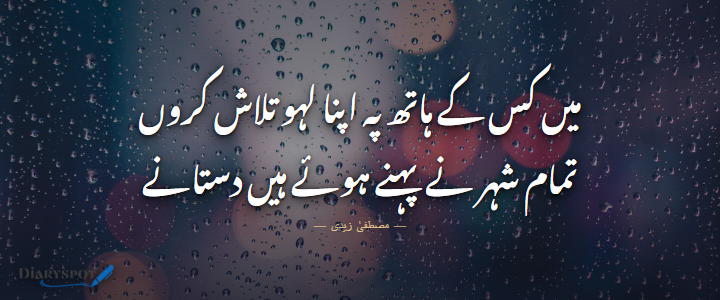
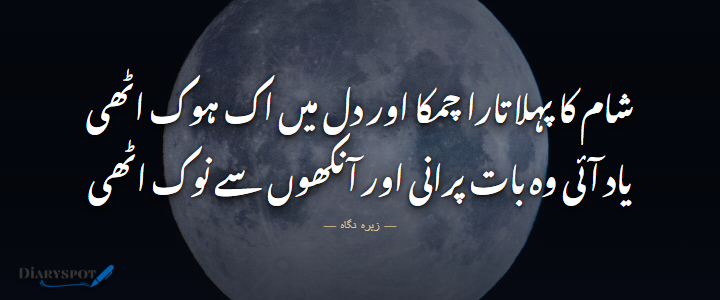
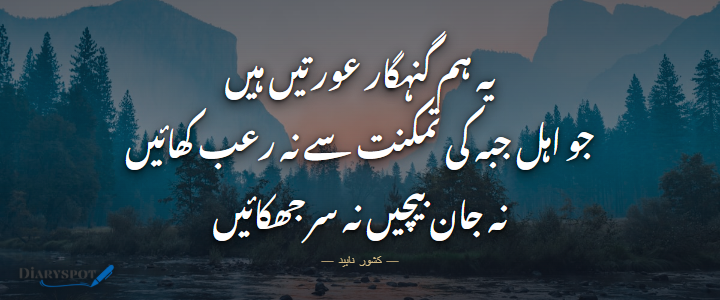
یقین ِکامل ہے خُدا پر! سب ترغیب دے رہے ہیں
امر بالمعروف پر زور ہے!نہی عن المنکر پر سوال کیوں
اپنے لہو سے روشن کر دی گلیاں اس ویرانے کی
گھر کے تنگ بہت ہی راہیں شہر وفا کو جانے کی
Muhammad bhi tera, Jibrail bhi, Quran bhi tera
Magar yeh harf shireen tarjumaan tera hai ya mer
Quwwat-e-ishq se har past ko bala karde
Dahr mein ism-e-Muhammad se ujala karde
Mahfil yeh sajai hai Meelad manaya hai
Madhat mein Nabi ke naghme aaj sunaye hain
Naat poetry is a rich art form that transcends respect for the Prophet Muhammad (peace be upon him), blending devotion, creativity, and social reflection.
Its lyrical beauty and emotional depth inspire generations, addressing contemporary issues while fostering love for the Prophet. Evolving with time, Naat poetry remains a cherished tradition, honoring the Prophet’s legacy in meaningful ways.
For readers who appreciate these expressive thoughts and find solace in poetic contemplation, you will also deeply enjoy exploring our related collections in Poetry on Allah in Urdu, Jumma Mubarak Poetry in Urdu, Rabi Ul Awal Poetry in Urdu.


Add comment