

 Muhammad Naeem
The spiritual aspect of Islamic poetry is one of its defining characteristics. Numerous Islamic poets, including Rumi, Hafez, and Al-Ghazali, explored themes of spiritual enlightenment, selflessness, and divine love in their verses. These pieces frequently offer deep insights into the nature of love, the meaning of life, and the human soul’s quest to rediscover its connection to its Creator.
یہی مسجد یہی کعبہ یہی گلزارِ جنت ہے
چلے آوں مسلمانوں یہی تختِ محمدؐ ہے
Mystic poetry, particularly in Sufism, a mystical offshoot of Islam that emphasizes firsthand encounters with the Divine, is a manifestation of this spirituality. Poetry, according to Sufi poets like Rumi, is a means of focusing on divine love and oneness with God, rather than on everyday issues.
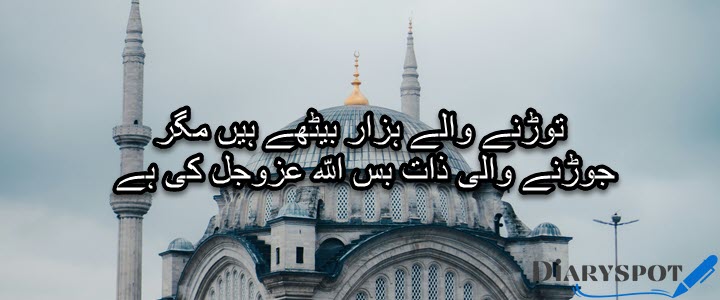
Islamic poets promoted an ethical framework founded on fairness, respect, and empathy via their writings, contributing to the cultural and moral ethos of Muslim societies.
Islamic poetry 2 line
Islamic poetry’s usage as a vehicle for political discourse is another important feature. Muslim poets have frequently addressed social inequities, questioned authority, and praised and criticized rulers in their verses over the years. Ferdowsi, a Persian poet, helped to preserve Persian cultural identity during political changes with his epic *Shahnameh*.
Similar to this, poets in India during the Mughal era gave voice to those who would not otherwise have had it by using their poetry to remark on political developments.
اللہ والوں سے تعلق رکھو طبیعت ٹھیک رہے گی
یہ وہ حکیم ہیں جو لفظوں سے علاج کرتے ہیں
Each couplet captures an enduring sentiment that speaks directly to the human heart. To immerse yourself in more touching imagery and meaningful verses, delve into our collections of Alwidai Poetry in Urdu, Eid Ul Fitr Poetry in Urdu, and Sufi Shayari in Urdu.
Each couplet captures an enduring sentiment that speaks directly to the human heart. To immerse yourself in more touching imagery and meaningful verses, delve into our collections of Poetry On Allah in Urdu, Sufi Shayari in Urdu, and Quran Poetry in Urdu.
نماز سے نہ کہو مجھے کام کرنا ہے
بلکہ کام سے کہو مجھے نماز پڑھنی ہے
It is impossible to overestimate the impact of Islamic poetry on Muslim art and culture. Its verses have been used in calligraphy, music, and visual arts. For example, calligraphy is used to embellish the walls of mosques and residences with numerous Quranic verses and famous poems.
Particularly, Sufi poetry has impacted music; classic Sufi music in South Asia and the Middle East has melodies set to the poetry of poets such as Rumi, Hafez, and Bulleh Shah. Poetry and music have been combined to create a distinctive cultural expression that honors Islam’s mystical and spiritual aspects.
نہیں مانگنا آتا تو صرف ہاتھ پھیلا دو
وہ بند لبوں کی بولیاں بھی سنتا ہے
اللہ کو دو قطرے بہت پسند ہیں ایک شہید کے خون کا
دوسرا وہ آنسو کا قطرہ جو اللہ کے خوف سے بہے
Islamic Poetry in English
Islamic poetry is still important today despite its classical origins since contemporary poets continue to find inspiration in this tradition. Muslim poets of today frequently address current concerns like identity, faith, and belonging in a globalized world by fusing classical styles with contemporary topics.
Within the Muslim diaspora, this blending has produced a thriving poetry scene where poets such as Mahmoud Darwish and Muhammad Iqbal have tackled issues of spiritual struggle, nationalism, and relocation. These contemporary renditions show how Islamic poetry is still a potent vehicle for conveying individual and societal realities.
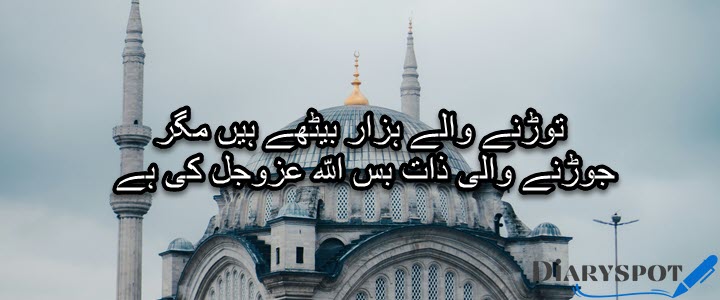

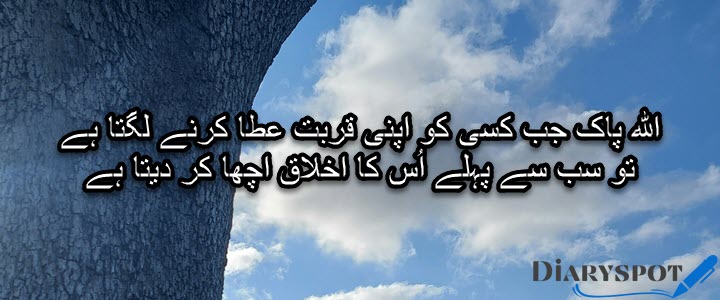
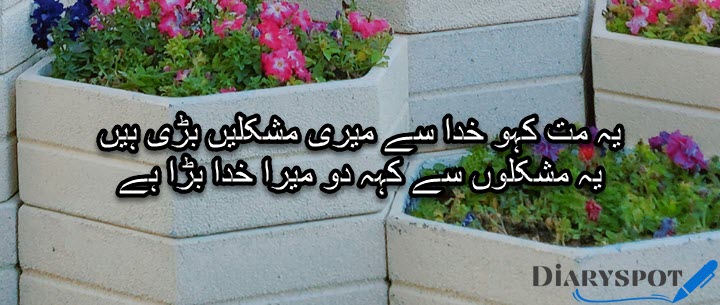
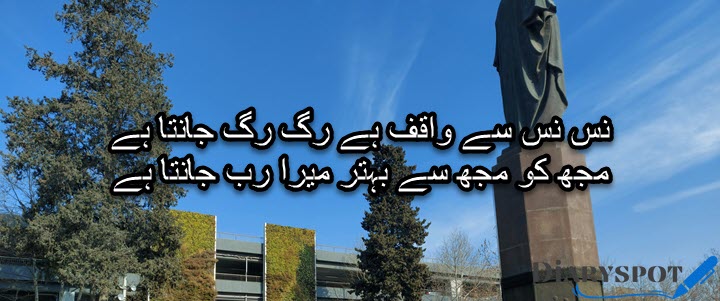
Islamic poetry in urdu has communicated moral and societal lessons. Poets like Al-Mutanabbi and Saadi of Shiraz shared values such as forgiveness, humility, and charity. Saadi often emphasized the fleeting nature of material wealth and the importance of compassion and fraternity.
قرآن کی تلاوت کیا کرو بے شک قرآن
اپنے پڑھنے والوں کی سفارش کرے گا
آسمان والے سے اگر رابطے مضبوط ہوں تو
زمین والے آپ کا کچھ نہیں بگاڑ سکتے
پریشانیاں بڑھ جائیں تو خدا کے سامنے رو لیا کریں
بے شک وہ ستر ماوں سے زیادہ پیار کرنے والا ہے
Islamic Poetry in Urdu 2 lines Text
Islamic poetry is as varied in language and style as the areas where it was most popular. Arabic poetry impacted numerous other languages, renowned for its complex meters and rhyme schemes. Persian poetry developed a unique style marked by vivid imagery and metaphysical ideas.
With its blend of Persian and regional traditions, Urdu poetry—especially the *ghazal* form—became a popular genre throughout South Asia. While each language contributed distinctive features to Islamic poetry, they all expressed the core principles and ideals of Islam.
دنیا فانی ہے، آخرت باقی ہے
یہی سبق ہے قرآن میں باقی ہے
اللہ سے لو لگاؤ ہر پل
ہر غم میں دیکھو اس کا کرم ہر پل
محبت کا درس دیا مصطفیٰ نے
امن کی راہیں دکھائیں مصطفیٰ نے
Islamic poetry weaves spirituality, ethics, and culture, reflecting the diversity of the Muslim world. It explores human experiences, from philosophy to Sufi mysticism. While rooted in faith, it adapts to changing social and political times, celebrating beauty and the human spirit.
وقت بنانے والے کے ساتھ
وقت گزارو وقت کبھی برباد نہیں ہو گا
اللہ کو راضی کرو
وہ تجھے خوش کر دے گا
تکلیف میں صبر سے کام لو کیونکہ سونے کو آگ
سے آزمایا جاتا ہے اور مومن کو تکلیف سے
دل کو سکون ملتا ہے ذکر خدا میں
خوشیاں ملتی ہیں دعاؤں کی صدا میں
The *qasida* is a long Arabic poem, often used to praise or criticize. Originally, it celebrated victories, honored leaders, or mourned the dead. Later, it included religious themes, praising God and the Prophet Muhammad.
The *ghazal*, a shorter poetic form, became popular in Persian and Urdu literature. Known for its emotional depth, it expressed themes of love and divine longing.
If these lines brought you peace, keep reading with our Quran Poetry in Urdu and Namaz Poetry in Urdu. You may also enjoy the Eid Poetry in Urdu for happy days with family.



Add comment