

 Muhammad Naeem
Numerous poets from all countries and eras have been influenced by the profound, symbolic resonance of namaz, or Islamic prayer, in their works. Poetry about namaz frequently highlights themes of devotion, submission, and the pursuit of divine connection, reflecting the deep emotional and spiritual bonds that people develop with their faith via prayer.
بدل کے بھیس پھر آتے ہیں ہر زمانے میں
اگرچہ پیر ہے آدم جواں ہیں لات و منات
Poetry in this genre frequently combines words that depict the ritualistic and meditative elements of namaz, expressing not only the outward movements of standing, bowing, and prostrating but also the inward metamorphosis that goes along with them.
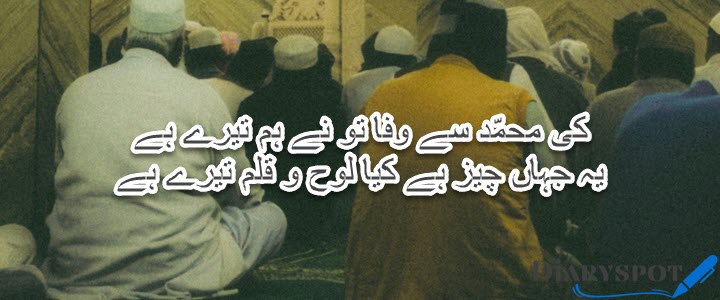
Poets delve into the mysterious realm of namaz, where every prayer turns into a private dialogue with the Divine and every recitation into a cosmic rhythm of existence.
Namaz Poetry Urdu Text
In addition to reminding Muslims of the fleeting essence of life and the eternal character of the Creator, the adhan, or call to prayer, which is sounded five times a day, is a work of poetic beauty in and of itself. By comparing the adhan to a summons from beyond that reverberates in the heart and beckons believers home, many poets portray it as a sublime moment.
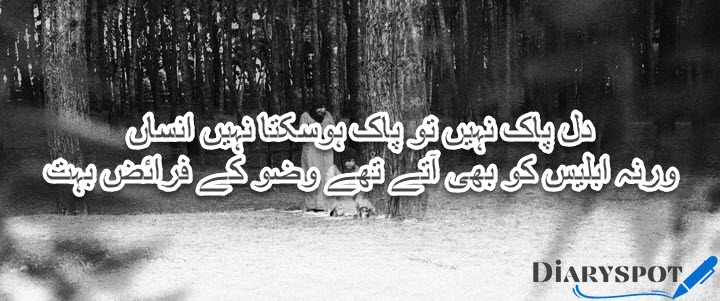
دل پاک نہیں تو پاک ہوسکتا نہیں انساں
ورنہ ابلیس کو بھی آتے تھے وضو کے فرائض بہت
The beauty of classical and contemporary Urdu shayari lies in its universal resonance. If you find solace in these verses, explore the profound artistic depth of Eid Ul Adha Poetry in Urdu, alongside the poignant lyrical expressions in Quran Poetry in Urdu and Islamic Poetry in Urdu.
The beauty of classical and contemporary Urdu shayari lies in its universal resonance. If you find solace in these verses, explore the profound artistic depth of Eid Ul Adha Poetry in Urdu, alongside the poignant lyrical expressions in Quran Poetry in Urdu and Ramzan Poetry in Urdu.
ہمیں آتی ہے مصیبت تو الله یاد آتا ہے
ورنہ تو کبھی سر سجدے میں ہم رکھتے نہیں
Poets sometimes consider the actual locations of prayer, such as the majesty of a mosque or the seclusion of a chamber, describing how the presence of the worshipper transforms each location into a hallowed area.
The mosque, often described as a “garden of the soul” or a “sanctuary of the heart,” becomes a poetic symbol of unity, humility, and refuge in the presence of God.
بے شک نماز ہی ساتھی ہیں دنیا سے قبر تک
قبر سے حشر تک اور حشر سے جنت تک
وہ بہت رکھتا چاہت کی نمازوں کا حساب
وہ تو ایک سجدہ نہ بخشے جو قضا ہو جائے
Namaz Poetry Urdu English
Poetry about namaz also celebrates the repeated and rhythmic character of prayer, with poets frequently drawing comparisons between the rhythm of prayer and the day-night cycle. For example, the dawn prayer (Fajr) represents rebirth, while the sunset prayer (Maghrib) signifies the passage from day to night, reflecting the cycle of life from conception to death.
The structure of poetry about namaz emphasizes this continuity, with phrase repetition reflecting the consistency and discipline of prayer and encouraging a sense of calm and surrender.
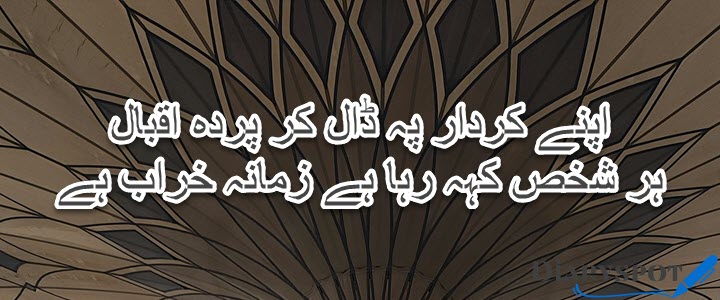
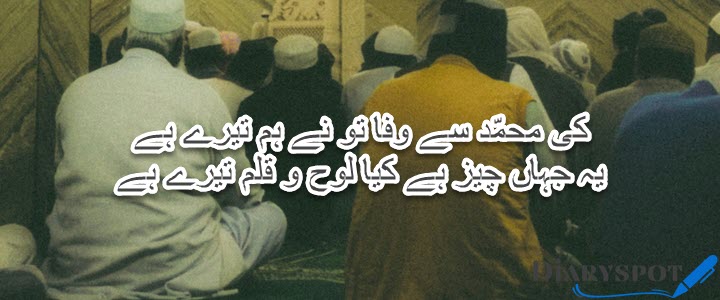
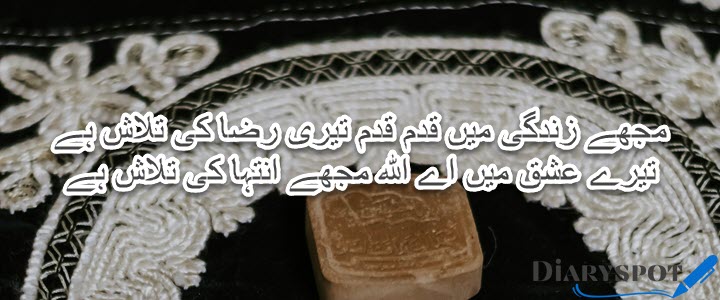

Namaz poetry thus becomes a manifestation of the desire for intimacy with God and a testament to the perseverance, patience, and humility needed on the spiritual journey.
ہمیں آتی ہے مصیبت تو الله یاد آتا ہے
ورنہ تو کبھی سر سجدے میں ہم رکھتے نہیں
نماز ہر اس انسان کے لیے تحفہ ہے
جو اللہ سے محبت کرتا ہے
Full Namaz Poetry Urdu
Namaz poetry has developed in contemporary settings to speak to social and individual hardships, with poets conveying the courage and consolation that prayer offers in the face of life’s challenges.
By doing this, namaz poetry goes beyond simple ritual and becomes a tool for introspection, a reminder of one’s inner strength, and an exhortation to maintain one’s fortitude.
ہمارا ہر کام آسان ہوگا
جس دن کا پہلا کام نماز ہوگا
وہ بہت رکھتا چاہت کی نمازوں کا حساب
وہ تو ایک سجدہ نہ بخشے جو قضا ہو جاے
Poetry of this genre never fails to uplift those who are at a crossroads in their lives by reminding them that they are never really alone if they pray. Classical or modern namaz poetry provides an enduring, poetic expression of faith and acts as a link between the individual and the universal.
In many Sufi and mystic traditions, poets frequently depict the Divine as the beloved, with the devotee yearning to merge with this beloved in namaz. This portrayal elevates prayer to an expression of love.
سر پائے خم پہ چاہیے ہنگام بے خودی
رو سوئے قبلہ وقت مناجات چاہیے
وہ جو پابند ہے نمازوں کی
اُس کی آنکھوں نے کر دیا کافر
Mujhe Kya Khabar Ke Woh Ishq Tha Namaz Thi Ke Salam Tha
Mera Ashq Ashq Tha Muqtadi Tera Harf Harf Imam Tha
Namaz poetry, which commonly uses images of light, mirrors, and gardens to represent the mystical journey of the soul, gains a romantic spirituality from this yearning, or “ishq.”
For example, some poets compare the practice of sajda, or prostration, to sowing a seed, with each prostration fostering the soul’s development towards enlightenment.
For readers who appreciate these expressive thoughts and find solace in poetic contemplation, you will also deeply enjoy exploring our related collections in Naat Poetry in Urdu, Poetry on Allah in Urdu, Eid Ul Adha Poetry in Urdu.


Add comment