

 Muhammad Naeem
One of the most well-known Urdu poets of the 20th century, Jaun Elia’s writings are resonant with themes of intellectualism, existentialism, love, revolt, and despair. His poetry is a complex ballet of cynicism and grief, encased in the elegance of deep intellectual reflections.
تم جب آؤگی تو کھویا ہوا پاؤگی مجھے
میری تنہائی میں خوابوں کے سوا کچھ بھی نہیں
Jaun Elia, born in Amroha, India, in 1931, moved to Pakistan during the partition. As a polymath, he showed a deep interest in both classical and modern ideas, which is reflected in the richness and profundity of his poetry. His intensely emotional verses provoke thought and often challenge accepted notions of religion, love, and society.
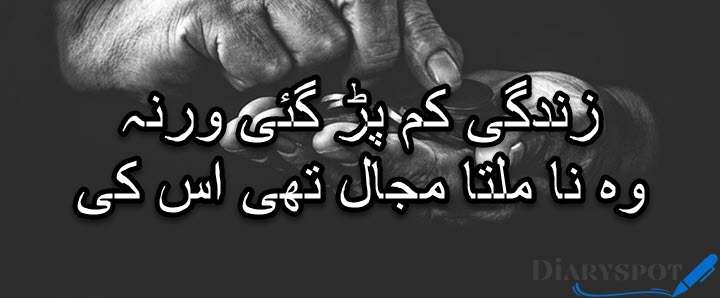
Elia’s poetry is known for its ability to contrast the universal with the particular, transforming his own sorrow into a message that his audience could identify with.
John Elia Poetry in Urdu Text
Elia’s poetry carries a deep melancholy, often highlighting the futility of relationships, love, and life. His verses reflect personal disappointments and heartbreaks, portraying love as unfulfilled, painful, and full of loss.
Unlike classical Urdu poetry, his work sees love marked by separation, the passage of time, and betrayal.
کتنی دل کش ہو تم کتنا دلجو ہوں میں
کیا ستم ہے کہ ہم لوگ مر جائیں گے
Poetry enthusiasts often discover that deep emotional themes interconnect across different styles and eras. You can further expand your reading with our evocative compilations of Bulleh Shah Poetry in Urdu & Punjabi as well as the memorable couplets in Allama Iqbal Poetry in Urdu and Two Line Shayari in Urdu.
Poetry enthusiasts often discover that deep emotional themes interconnect across different styles and eras. You can further expand your reading with our evocative compilations of Bulleh Shah Poetry in Urdu & Punjabi as well as the memorable couplets in Allama Iqbal Poetry in Urdu and Valentine Day Poetry in Urdu.
میں بھی بہت عجیب ہوں اتنا عجیب ہوں کہ بس
خود کو تباہ کر لیا اور ملال بھی نہیں
Elia left a huge legacy in the field of Urdu poetry. He published his first collection of poems, *Shayad*, somewhat late in his life, but his work immediately won a loyal audience. His poetry appeals to a broad spectrum of readers, from those who feel moved by the emotional and intellectual depth of his writing to those who are captivated by the beauty of his language.
Years after his passing, audiences still find themselves moved by Elia’s poetry, especially young people who resonate with his verses that express their disillusionment and struggles with existence, love, and identity.
دل کی ہر بات دھیان میں گزری
ساری ہستی گمان میں گزری
تو قیامت کا بے مروت ہے
میں ترا ہمنشیں نہیں ہوتا
Jaun Elia Best Lines
Jaun Elia’s poetry is as remarkable in its language as its themes. Although he was a master of classical Urdu, he added a contemporary touch to it. His tone is distinctly modern, at times almost conversational, despite his rich diction, which frequently draws from Arabic and Persian.
His poetry is both approachable and profound because of this blending of the classical and the modern. Elia had a remarkable talent for using the most basic language to convey the most nuanced feelings.


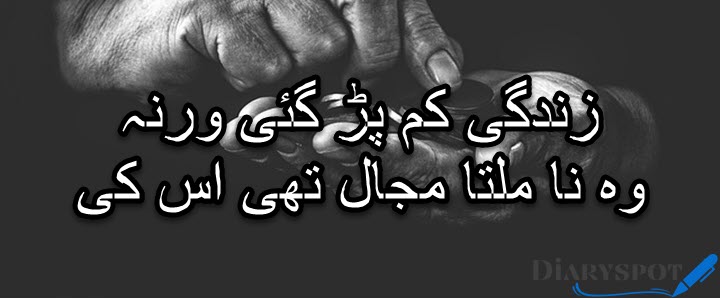
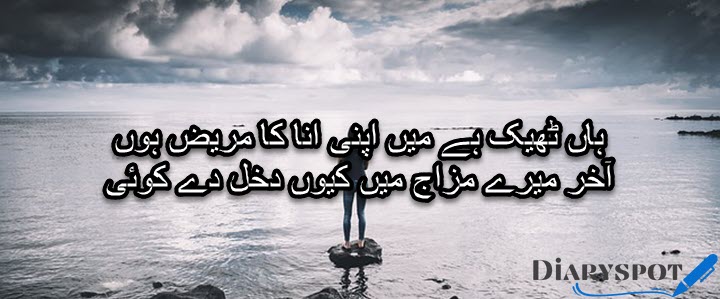
In particular, his ghazals are renowned for their profound intellectual depth and emotional intensity; they frequently have layers of significance that become apparent after several readings.
کیسے کہیں کہ تجھ کو بھی ہم سے ہے واسطہ کوئی
تو نے تو ہم سے آج تک کوئی گلہ نہیں کیا
کیا تکلف کریں یہ کہنے میں
جو بھی خوش ہے ہم اس سے جلتے ہیں
John Elia Urdu Poetry 2 Lines
Jaun Elia’s poetry captivates through its exploration of existential themes. He reflects on human nature’s inconsistencies, the meaning of life, and existence’s purpose. Disillusionment, both personal and social, permeates his work. As a skeptic, he challenges conventional values and accepted norms.
This rebellious spirit marks him as an intellectual who voices dissent. His self-awareness as a nonconformist shines in lines like, “Main jo hoon dosto, bura hoon bura / Magar is zamane ka sabab hoon main” (I am awful, my friends, I am bad / But I am also the reason for this age).
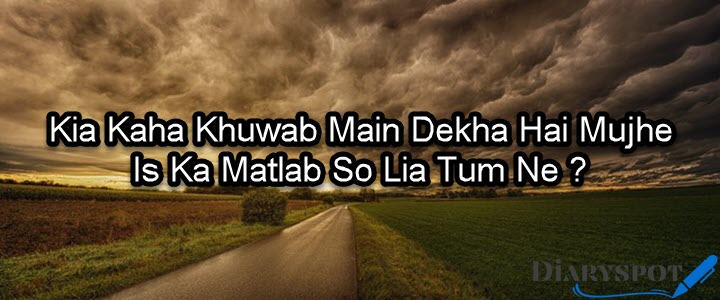
کیا کہا خواب میں دیکھا ہے مجھے
اس کا مطلب کہ سو لیا تم نے؟
وہ ملے تو یہ پوچھنا ہے مجھے
اب بھی ہوں میں تری امان میں کیا
ناکامیوں نے اور بھی سر کش بنا دیا
انتے ہوئے ذلیل کہ خودار ہوگئے
Elia’s poetry features philosophical investigation and historical consciousness. He was both a poet and a thinker influenced by Sufism and Western existentialism. His deep knowledge of Persian and Islamic history shaped his work. He often referenced historical figures and events to illustrate his ideas.
For instance, he evokes Mansur Al-Hallaj, a Sufi mystic executed for claiming, “Ana al-Haq” (I am the Truth). By mentioning Hallaj, Elia draws a parallel between the mystic’s defiance of religious norms and his rebellion against dogma.
Kia Kaha Khuwab Main Dekha Hai Mujhe
Is Ka Matlab So Lia Tum Ne ?
بے گلہ ہوں میں اب بہت دن سے
وہ پریشان ہو گئی ہوگی
کیا کہا عشق جاودانی ہے
آخری بار مل رہی ہو کیا
To sum up, Jaun Elia was a poet who existed beyond space and time. His poetry serves as a mirror to the human situation in addition to reflecting his own emotions and academic interests.
Through his writing, Elia challenges readers to delve deeply into their feelings, reflect on the world, and find comfort in the beauty of language—even when they are feeling hopeless.
Also, explore our soulful collection of Tanhai Poetry in Urdu and Chand Poetry in Urdu.
For readers who appreciate these expressive thoughts and find solace in poetic contemplation, you will also deeply enjoy exploring our related collections in Parveen Shakir Poetry in Urdu, Mir Taqi Mir Poetry in Urdu, Ibn e Insha Poetry in Urdu.


Add comment