

 Muhammad Naeem
Born Muhammad Akhtar in 1928, Saghar Siddiqui is renowned in Urdu poetry for his sorrowful and moving voice. His poetry captures the breadth of his hardships, heartaches, and unwavering search for purpose in a world that frequently abandoned him. Saghar’s life was characterized by poverty and loneliness while he was growing up in Ambala, India, and then moving to Pakistan during the partition.
کل جنہیں چھو نہیں سکتی تھی فرشتوں کی نظر
آج وہ رونق بازار نظر آتے ہیں
His poetry, which explores themes of love, loss, existential dread, and the fleeting essence of human existence, has an underlying melancholy. His poetic brilliance was evident despite his struggles, and he gained a loyal following.
His poetry has a timeless appeal that appeals to people of all ages because of its blend of adoration and sorrow. One of Saghar’s greatest artistic assets continues to be his capacity to transform personal suffering into universal feelings.
Saghar Siddiqui Poetry 2 Line
Saghar frequently contrasts love and grief in his poems, capturing life’s paradoxes. He was an expert in stirring strong feelings with pictures and metaphors. His poetry vividly depicts his inner turmoil by describing the agonies of unrequited love and the thrill of ephemeral bliss.
Saghar believed that love was a global experience that united all people, not merely a particular feeling. He deeply venerates the beloved and bemoans their absence in his ghazals, filling them with longing.
میں نے جن کے لیے راہوں میں بچھایا تھا لہو
ہم سے کہتے ہیں وہی عہد وفا یاد نہیں
The beauty of classical and contemporary Urdu shayari lies in its universal resonance. If you find solace in these verses, explore the profound artistic depth of Qaiser ul Jafri Poetry in Urdu, alongside the poignant lyrical expressions in Parveen Shakir Poetry in Urdu and Labour Day Poetry in Urdu.
The beauty of classical and contemporary Urdu shayari lies in its universal resonance. If you find solace in these verses, explore the profound artistic depth of Qaiser ul Jafri Poetry in Urdu, alongside the poignant lyrical expressions in Parveen Shakir Poetry in Urdu and Naat Poetry in Urdu.
میں تلخی حیات سے گھبرا کے پی گیا
غم کی سیاہ رات سے گھبرا کے پی گیا
There is a ray of optimism and resiliency in Saghar’s poetry despite the overwhelming sadness. His poetry demonstrates a strong faith in the healing potential of both love and art. He found comfort in poetry’s capacity to capture feelings and saw it as a way to transcend pain.
Saghar found solace and meaning in his profession, even in the face of a terrible life. His poetry has a profound appeal because it captures the complexity of human emotions through this combination of optimism and despair.
آج پھر بجھ گئے جل جل کے امیدوں کے چراغ
آج پھر تاروں بھری رات نے دم توڑ دیا
حشر میں کون گواہی مری دے گا
سب تمہارے ہی طرفدار نظر آتے ہیں
Saghar Siddiqui Poetry in Urdu
Saghar’s great talent and lack of material achievement were the conundrum of his existence. Even though his peers praised him as a literary talent, he battled social exclusion and unstable finances. This discrepancy between his inner genius and his outside struggles started to appear frequently in his poetry.
He frequently contrasted the ephemeral nature of celebrity and the shallowness of social ideals with the timeless force of love and art in his writing. His criticisms of society stemmed from a deep awareness of human frailties rather than resentment.


In his final years, Saghar found his home and inspiration in the streets of Lahore. He went to the city’s public areas to express his poetry because he was homeless and destitute. His inner turmoil and loneliness were reflected in these vibrant streets. During this time, his poems became more somber, mirroring the awful reality he encountered daily.
But Saghar remained connected to beauty and artistry even amid the most dire situations. The Urdu language and its beautiful rhythms comforted him, and he used them to express his suffering.
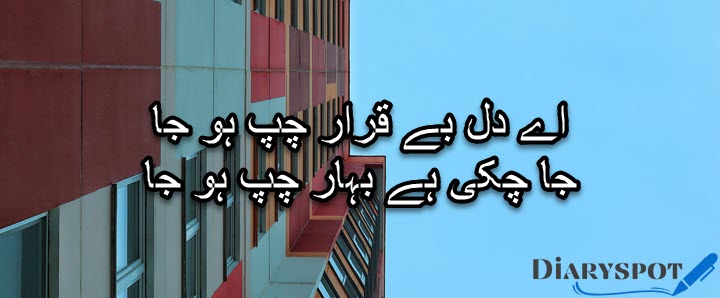
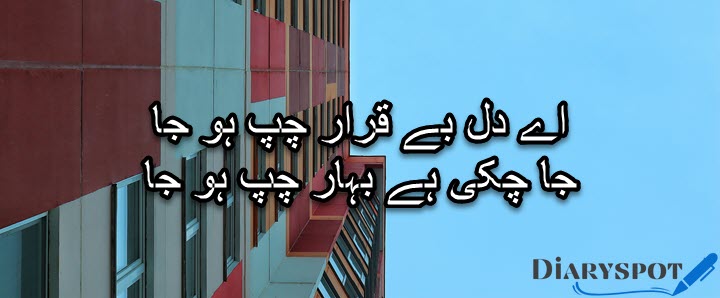
اب نہ آئیں گے روٹھنے والے
دیدۂ اشک بار چپ ہو جا
یہ زلف بردوش کون آیا یہ کس کی آہٹ سے گل کھلے ہیں
مہک رہی ہے فضائے ہستی تمام عالم بہار سا ہے
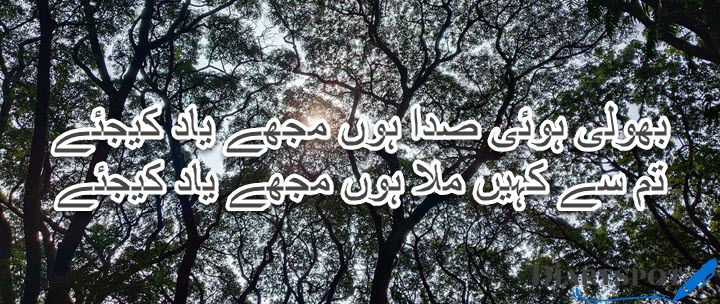
جب جام دیا تھا ساقی نے جب دور چلا تھا محفل میں
اک ہوش کی ساعت کیا کہیے کچھ یاد رہی کچھ بھول گئے
Saghar Siddiqui Famous Poetry
Saghar Siddiqui frequently entwines existential suffering and spiritual reflections in his poems. He explored issues of faith, fate, and the divine while questioning the meaning of life and the elusive nature of happiness. His poetry frequently conveys a sense of resignation, as though he had accepted the pointlessness of earthly endeavors.
His despair did not diminish his spiritual profundity; instead, it strengthened his bond with the metaphysical. Saghar’s poetry is a complex tapestry of philosophical investigation because he attempted to close the gap between the mortal and the eternal.
یہ کناروں سے کھیلنے والے
ڈوب جائیں تو کیا تماشا ہو
بے ساختہ بکھر گئی جلووں کی کائنات
آئینہ ٹوٹ کر تری انگڑائی بن گیا
حوروں کی طلب اور مے و ساغر سے ہے نفرت
ترے عرفان سے کچھ بھول ہوئی ہے
حوروں کی طلب اور مے و ساغر سے ہے نفرت
ترے عرفان سے کچھ بھول ہوئی ہے
Saghar Siddiqui’s poetry showcases a melodic quality. He crafts his ghazals with care, imbuing them with the fluidity of lyrical songs. This musicality reflects his early years as a songwriter, during which he honed his talent for blending words and rhythm. The tempo of his poetry heightens its emotional power, enabling readers to more fully experience the force of his words.
The melodic tone of his lyrics lends an ethereal quality to his work, whether it is conveying existential doubt or sadness. His poetry’s melodic quality has made his ghazals popular with vocalists, guaranteeing that his legacy will live on through renditions that vividly convey his ideas.
اب اپنی حقیقت بھی ساغرؔ بے ربط کہانی لگتی ہے
دنیا کی حقیقت کیا کہیے کچھ یاد رہی کچھ بھول گئے
رنگ اڑنے لگا ہے پھولوں کا
اب تو آ جاؤ! وقت نازک ہے
ایک وعدہ ہے کسی کا جو وفا ہوتا نہیں
ورنہ ان تاروں بھری راتوں میں کیا ہوتا نہیں
ہم بنائیں گے یہاں ساغرؔ نئی تصویر شوق
ہم تخیل کے مجدد ہم تصور کے امام
غم کے مجرم خوشی کے مجرم ہیں
لوگ اب زندگی کے مجرم ہیں
Saghar Siddiqui’s life ended in hardship in 1974, but his poetry lives on. His verses are now celebrated as Urdu classics, though he died neglected. Saghar’s story shows the fragile link between talent and recognition. His work proves art’s timeless power to move the soul.
Also, explore our soulful collection of Tanhai Poetry in Urdu and Chand Poetry in Urdu.
For readers who appreciate these expressive thoughts and find solace in poetic contemplation, you will also deeply enjoy exploring our related collections in Wasi Shah Poetry in Urdu, Tehzeeb Hafi Poetry in Urdu, Izzat e Hamdani Poetry in Urdu.


Add comment