

 Muhammad Naeem
Death poetry explores the mystery of death and is interwoven with the human experience. Through dread, acceptance, or curiosity, poets have long utilized it to address and delve into the philosophical and emotional depths of death. These poems, which range from classical epics to contemporary free poetry, illustrate how we struggle with mortality and the mind’s search for meaning beyond this life.
انساں کی خواہشوں کی کوئی انتہا نہیں
دو گز زمیں بھی چاہیئے دو گز کفن کے بعد
Death poetry experienced yet another change during the Romantic period, becoming increasingly entwined with the natural world and personal feelings. In addition to grief, poets such as William Wordsworth and Samuel Taylor Coleridge discovered beauty and transcendence in death.
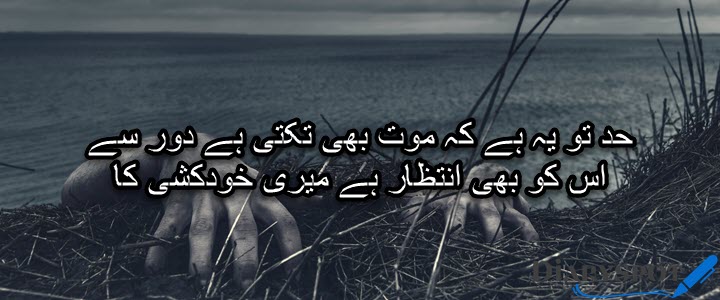
Wordsworth’s “We Are Seven” beautifully depicts a child’s naive vision of death, seeing her departed brothers as still members of her loving family. It also highlights how young people sometimes conflate life and death.
Sad Death Poetry in urdu
Death poetry saw new forms of expression in the 20th century, which reflected the existential crises and social upheavals of the era. Poets had to deal with mortality on a never-before-seen scale as a result of world wars, genocides, and rapid technological advancement.
Writing from the front lines of World War I, poets like Siegfried Sassoon and Wilfred Owen stripped away any romantic ideas of dying for one’s nation and revealed the harsh realities of combat death. Owen’s “Dulce et Decorum Est” vehemently opposes the notion that it is honorable to sacrifice oneself for one’s country, instead illustrating the atrocities of poisoning and combat death.
Be-maut mar jatay hain
Be-awaaz ronay walay
Urdu literature intricately weaves emotion and introspection across various moods; readers who appreciate these expressive thoughts will deeply resonate with our featured selections in Khel Poetry in Urdu and 23 March Poetry in Urdu. Furthermore, the heartfelt reflections found in Tanhai Poetry in Urdu offer a captivating companion to these timeless verses.
Urdu literature intricately weaves emotion and introspection across various moods; readers who appreciate these expressive thoughts will deeply resonate with our featured selections in Khel Poetry in Urdu and 23 March Poetry in Urdu. Furthermore, the heartfelt reflections found in Qateel Shifai Poetry in Urdu offer a captivating companion to these timeless verses.
Hum ne char cha bahut suna tha teri sakhaawat ka
Kya maloom tha tum dard bhi dil khol kar dete ho
Poets of today still examine death from a variety of angles. Poets like Mary Oliver and Sharon Olds, who incorporate personal musings on mortality and loss into their poetry, are examples of those who approach it via personal pain.
Olds examines the intense, visceral feelings of grieving, while Oliver’s nature-inspired poetry frequently finds a serene, reflective acceptance of death as a natural cycle. Poets like Billy Collins, on the other hand, address death with irony and comedy. For example, in his poem “The Dead,” he imagines the dead observing the living with a confused disinterest.
لفظوں سے میری موت ممکن نہ تھی
پھر یوں ہوا کہ جذبوں پر وار کیا اس نے
جدائی کا زہر پی چکے ہیں ہم
موت کو گلے لگا چکے ہیں ہم
Death Poetry in Urdu Islamic
In medieval Europe, poetry on death often centered on religious themes, reflecting on salvation and the afterlife. Amid wars and plagues, death was depicted as a great equalizer, as seen in the **Danse Macabre** (Dance of Death), symbolizing its reach across all classes.
The poem *Everyman* personified death as a force that urges accountability, reinforcing death’s role in shaping morals and human fate.


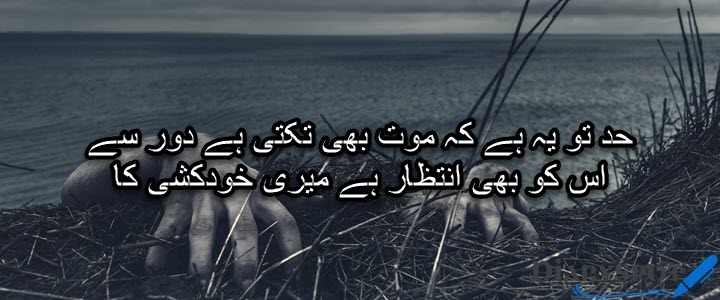
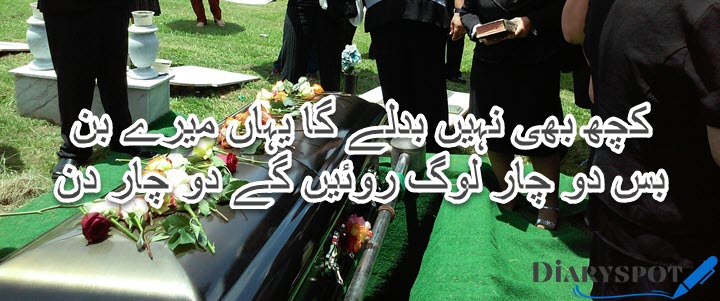
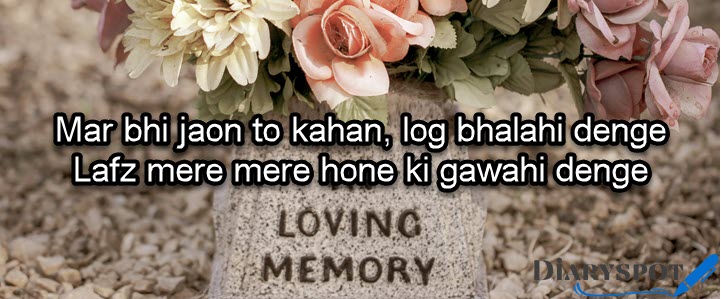
On the other hand, one of the most well-known poets of the 19th century, Edgar Allan Poe, gave death poetry a gothic and depressing tone. In pieces such as “The Raven” and “Annabel Lee,” Poe explored themes of death’s eerie presence, longing, and grief.
The sorrows in his life, like the death of his cherished wife, fueled his intensely personal obsession with death. His poems abound with dark, unsettling atmospheres, portraying death as a haunting force that torments and pursues the living rather than serving as an inevitable conclusion.
تم کیا جانو محبت کے میم کا مطلب!
اگر مل جائے تو معجزہ اور نہ ملے تو موت
اب موت سے کہہ دو کہ ناراضگی ختم کر لے
وہ بدل گیا جس کے لیے ہم زندہ تھے
Death Poetry in Urdu Text
Death poetry started to become more individualistic as we moved into the Renaissance, which reflected the time’s emphasis on humanism and introspection. This change is best exemplified by the sonnets of writers such as John Donne. In his well-known sonnet, “Death, be not proud,” Donne questions the authority of death by viewing it as a transition rather than an end.
He asserts that the sting of death can be overcome by faith and resurrection when he says, “Death, thou shalt die.” In a similar vein, William Shakespeare often addressed mortality in his sonnets, drawing a contrast between the transient character of existence and the eternal force of love and art.
ہے کوئی جنازہ پڑھنے والا
میں دل کو مار بیٹھی ہوں
کفن میں لیٹی میری لاش کو دیکھ کر رونا نہیں
آخری ملاقات ہو گی زرا مسکر اگر الوداع کہنا
مل جائے گے ہماری بھی تعریف کرنے والے
کوئی ہماری موت کی خبر تو پھیلاؤ
In the past, some of the oldest known poets dealt with death, using poetry in ancient societies to bridge the gap between the mortal world and the afterlife and to convey sadness. For instance, the ancient Egyptians wrote the *Pyramid Texts*, including songs and prayers to ensure the deceased’s smooth transition to the afterlife.
Greek poets also composed epic elegies. For example, Homer filled the *Iliad* with reflections on mortality, particularly by depicting the valiant deaths of heroes.
Ashiq se bachen sahab
Suna hai yeh dheemi maut hai
Teri baddua mein asar hi nahin
Mein bemar to hota hoon magar marta nahin
Socha nahin tha taqdeer yahan layegi
Manzil par aake jaan chali jayegi
Khuda kare maut aa jaye
Lekin kisi par dil na aaye
Death poetry ultimately demonstrates humanity’s constant urge to face the unknown. Poets use verse as a means of comprehending, resisting, lamenting, and reconciling with death.
Death poetry, whether in the form of somber elegy, a defiant sonnet, or a quiet meditation, enables both poets and readers to examine the mystery and certainty of death, providing solace, insight, or even just the recognition that when we face death, we struggle with what it means to be fully alive.
For readers who appreciate these expressive thoughts and find solace in poetic contemplation, you will also deeply enjoy exploring our related collections in Urdu Poetry in Urdu, Sad Urdu Poetry in Urdu, Shikwa Poetry in Urdu.


Add comment