

 Muhammad Naeem
Urdu poetry has a long history of delving into the complex topics of life and death, portraying the inevitable end of human existence in a way that is both poignant and beautiful.
شب کو مرا جنازہ جائے گا یوں نکل کر
رہ جائیں گے سحر کو دشمن بھی ہاتھ مل کر
In Urdu poetry, the idea of death is frequently presented as an inevitable but profoundly contemplative event in which poets wrestle with the secrets of mortality and the afterlife. This investigation touches on the emotional and spiritual aspects of death in addition to the physical end of life, striking a deeply personal chord with the viewers.

Iqbal’s poetry frequently exhorts the reader to face death fearlessly and see it as a necessary step on the path to ultimate truth and enlightenment.
Urdu Poetry on Death in English
Allama Iqbal, however, believes that dying is an essential component of the spiritual path. His poetry makes the argument that life begins anew after death and that death is not the end. Iqbal believed that since death is a means of meeting the Divine, it is the only way to genuinely achieve eternal life.
This idea has its roots in Sufi philosophy, which sees death as a reunion with the Beloved following a life apart and a return to the Creator.
بچھڑا کچھ اِس ادا سے کے رُت ہی بدل گئی
اِک شخص سارے شہر کو------- ویران کر گیا
The beauty of classical and contemporary Urdu shayari lies in its universal resonance. If you find solace in these verses, explore the profound artistic depth of Shikwa Poetry in Urdu, alongside the poignant lyrical expressions in Best Poem in Urdu and Umeed Poetry in Urdu.
The beauty of classical and contemporary Urdu shayari lies in its universal resonance. If you find solace in these verses, explore the profound artistic depth of Shikwa Poetry in Urdu, alongside the poignant lyrical expressions in Best Poem in Urdu and Bharosa Poetry in Urdu.
شہر غربت میں اے موت دیر سے نہ آیا کر
خرچہ تدفین کا بیماری میں لگ جاتا ہے
In essence, Urdu poetry treats death not as an end, but as an integral part of life’s narrative, a theme that is as rich and varied as life itself. It explores death from multiple angles—spiritual, emotional, and social—each offering a unique perspective on what it means to face the end of life.
اسے لگتا ہے میں اس سے بچھڑ کے خوش ہوں
مجھے لگتا ہے میں جوانی میں مر جاؤں گی
اُس کو دیکھا تو مر گیا اُس پر
وہ نہ ملتا تو اور جی لیتا
Death Poetry in Urdu 2 Lines Text
Prominent poets with distinct viewpoints, such as Mirza Ghalib, Allama Iqbal, and Faiz Ahmed Faiz, have all addressed the subject of death in their poetry. For example, Ghalib frequently considers the fleeting aspect of existence and presents death as a way to escape the hardships of this mortal world.
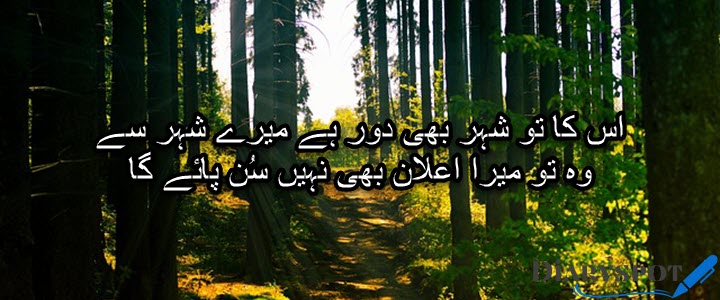

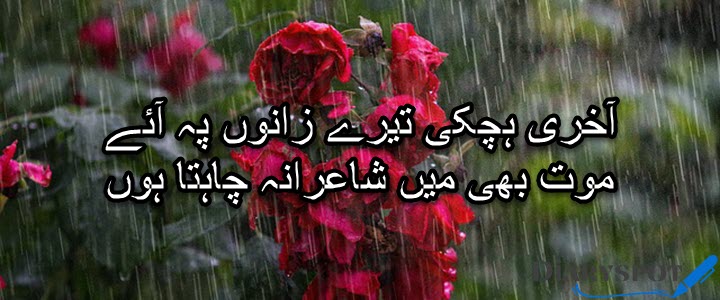
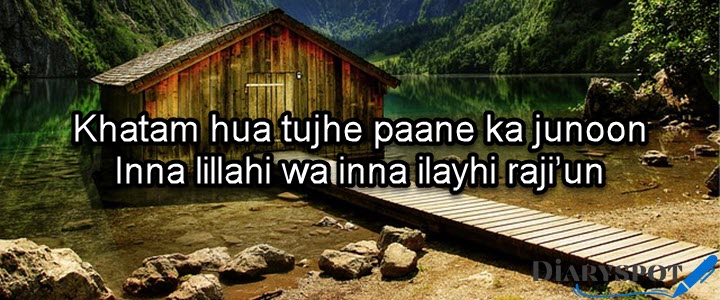

His existentially reflective couplets serve as a gentle reminder to readers of the pointlessness of earthly endeavors and the serenity that comes from passing away. For Ghalib, dying is not only the end but also a transition into a new phase of life.
Faiz’s poetry serves as a reminder that although dying is a solitary experience, it can also bring the living together in their pursuit of a better world.
Jo log maut ko zalim qarar daty hain
Khuda milae unhen zindagi k maron se
Maut uski hay kare jis ka zamana afsos
Yoon to duniya mein sabhi aay hain marne keliye
Sudden Death Quotes in Urdu Text
The melancholic beauty of Urdu poetry on death lies in its ability to evoke deep emotions while simultaneously offering a sense of peace. The verses, often recited at funerals or during moments of reflection, help individuals come to terms with their mortality and the loss of loved ones.
They serve as a reminder that death, while inevitable, is also a gateway to something greater, whether it be spiritual fulfillment, eternal rest, or the continuation of the soul’s journey.
Zamana bade shauq se sun raha tha
Hamin so gae dastan kahte kahte
Ab yeh aalam hai, kabhi raat ke sannate mein
Main jo hasti hoon to rone ki sada aati hai
In addition to these outstanding poets, there are many more references to death in the larger body of Urdu poetry, each of which offers a new level of interpretation and significance. Ghazals and nazms frequently address the anguish of parting, the hurt of loss, and the expectation of meeting again in the hereafter.
These poems have rich, vivid imagery that alludes to the night, the grave, and the ultimate rest that comes after overcoming life’s challenges. These poems provide comfort to bereaved people by implying that love and remembrance transcend even death’s finality and by offering a sense of continuity between life and death.
زندگی ہے اپنے قبضے میں نہ اپنے بس میں موت
آدمی مجبور ہے اور کس قدر مجبور ہے
زندگی ہے اپنے قبضے میں نہ اپنے بس میں موت
آدمی مجبور ہے اور کس قدر مجبور ہے
مُرشد ہمارے ورثے میں کچھ بھی نہیں
سو ہم بے موسمی وفات کا دکھ چھوڑ جائیں گے
By combining the theme of death with his revolutionary views and the social injustices of his era, Faiz Ahmed Faiz gives the theme a new depth. For Faiz, dying is a symbol of the fight against injustice and a universal experience. His poetry frequently captures the anguish and sorrow of those lost in the struggle for justice and freedom.
He does, however, also present death as a potent force that can bring about change, implying that the resistance to oppression is fuelled by the memory of the dead.
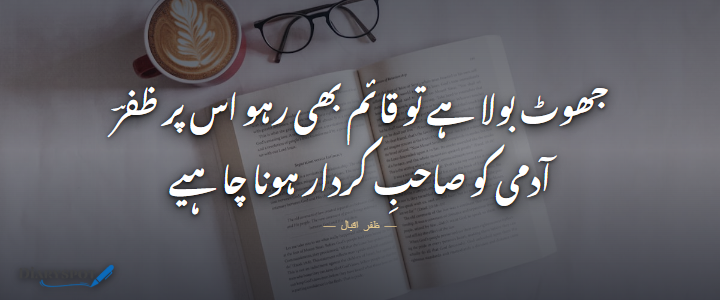
For readers who appreciate these expressive thoughts and find solace in poetic contemplation, you will also deeply enjoy exploring our related collections in Sad Urdu Poetry in Urdu, Poetry Sad Poetry in Urdu, Jhoot Poetry in Urdu.


Add comment