

 Muhammad Naeem
The human eye, praised for its profound capacity to convey feelings that words frequently cannot, has served as an inspiration to innumerable writers throughout history. Often referred to as the “windows to the soul,” eyes have a special depth and clarity that allow them to mirror inner truths, dreams, and thoughts.
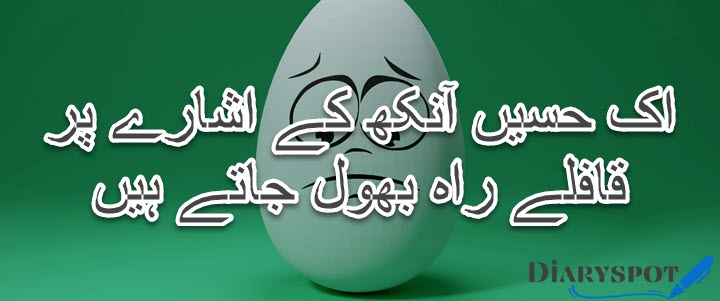
اک حسیں آنکھ کے اشارے پر
قافلے راہ بھول جاتے ہیں
Poetry frequently uses the symbolism of the eye to portray themes of love, grief, desire, and understanding because poetry is a personal form of expression. The metaphor of eyes has long been used by poets to imply a mirror of vulnerability, giving readers a view into the innermost thoughts and feelings of a character or narrator.
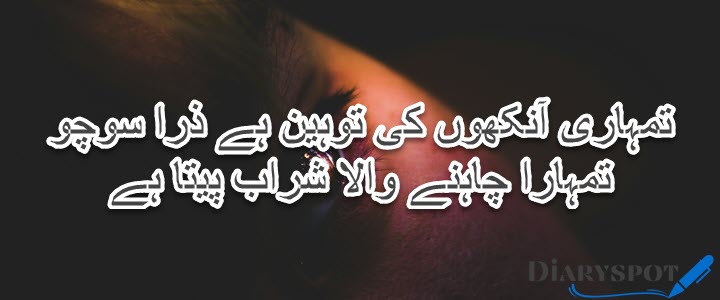
Through the expression of unimaginable emotions and the discovery of connections that go beyond words, these poems encapsulate the human experience.
Eyes Poetry In Urdu 2 Lines
In poetry, eyes are also often portrayed as possessing an eerie character. For instance, in “The Raven,” where the “eyes all the seeming of a demon’s that is dreaming” symbolize suffering and the yearning for the dead, Edgar Allan Poe uses eyes to invoke the gothic qualities of mystery and fear.
Pablo Neruda’s love sonnets and odes, on the other hand, show the eyes as warm, yearning portals of adoration. With eyes shown as holy and gentle reflections of love’s eternal flame, his nuanced descriptions enable the reader to sense the intimacy between the lover and the beloved.
آنکھ رہزن نہیں تو پھر کیا ہے
لوٹ لیتی ہے قافلہ دل کا
Each couplet captures an enduring sentiment that speaks directly to the human heart. To immerse yourself in more touching imagery and meaningful verses, delve into our collections of Rabi Ul Awal Poetry in Urdu, Namaz Poetry in Urdu, and Waseem Barelvi Poetry in Urdu.
Each couplet captures an enduring sentiment that speaks directly to the human heart. To immerse yourself in more touching imagery and meaningful verses, delve into our collections of Rabi Ul Awal Poetry in Urdu, Namaz Poetry in Urdu, and Ahmad Mushtaq Poetry in Urdu.
لڑنے کو دل جو چاہے تو آنکھیں لڑائیے
ہو جنگ بھی اگر تو مزے دار جنگ ہو
The poem’s concept of eyes is still relevant today, encapsulating the intricacies of contemporary identity, surveillance, and the digital era. Eyes can stand for either the lens through which we curate and show our life or the critical gaze of society.
For example, the eye becomes a representation of healing and resiliency in the poetry of poets such as Rupi Kaur. In addition to reflecting individual feelings, the eye has developed to depict the shared hardships and experiences of people navigating a globalized society.
اس کی آنکھوں کو غور سے دیکھو
مندروں میں چراغ جلتے ہیں
پیمانہ کہے ہے کوئی مے خانہ کہے ہے
دنیا تری آنکھوں کو بھی کیا کیا نہ کہے ہے
Romantic Eyes Poetry in Urdu
Poetry’s portrayal of the intensity of the eyes also highlights the closeness that the gaze implies. An unconscious communication forms between the observer and the observed when the eyes reveal truths often concealed by words. In love poetry, where a single look can arouse passion or mend scars, this interaction is powerful.
In John Keats’s poem “Bright Star, would I Were Steadfast as Thou Art,” the speaker gazes up at the sky and yearns for the star’s consistency and purity. The eye turns into a place of longing, where people look for truth and beauty outside of themselves.
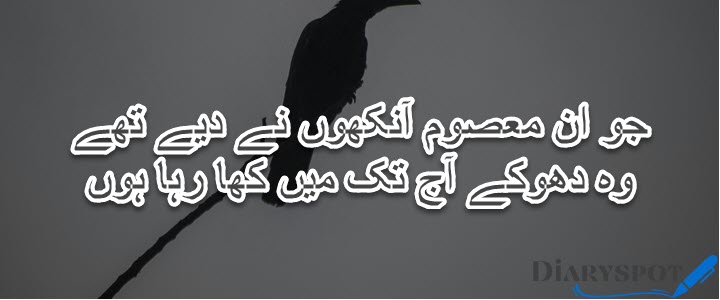
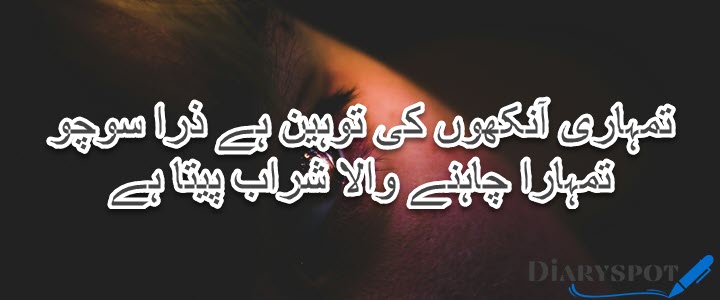

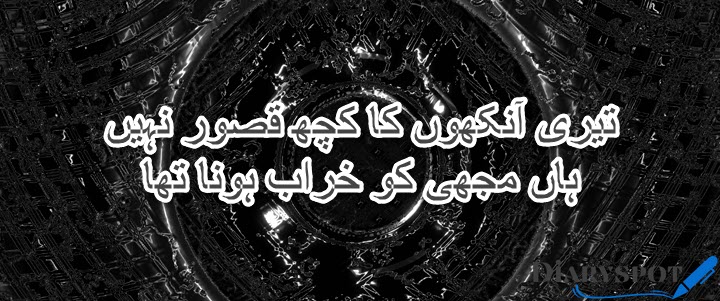
Poetry often sees the eye as a unique window into human experience, holding silence, sorrow, joy, and wonder. Whether capturing a lover’s gaze, a lost friend’s memory, or self-reflection, the eye symbolizes vulnerability and connection.
Through it, poets invite us to see the world and ourselves more deeply.
جب ترے نین مسکراتے ہیں
زیست کے رنج بھول جاتے ہیں
ان رس بھری آنکھوں میں حیا کھیل رہی ہے
دو زہر کے پیالوں میں قضا کھیل رہی ہے
Eyes Poetry In Urdu One-Line
The eye is a symbol of truth and revelation in many cultures and poetic traditions. Shakespeare often used eye imagery to express his characters’ emotions and desires. In *Sonnet 130*, he contrasts this by describing his mistress’s eyes in a grounded way, while in *Romeo and Juliet*, Juliet’s eyes shine like stars to capture youthful passion.
Romantic poets saw the eye as a gateway to truth and deep emotion. William Blake’s line from *The Marriage of Heaven and Hell*, “The eye, altering, alters all,” emphasizes the eye as a subjective lens shaping reality.
آنکھ سے آنکھ ملانا تو سخن مت کرنا
ٹوک دینے سے کہانی کا مزا جاتا ہے
آنکھیں نہ جینے دیں گی تری بے وفا مجھے
کیوں کھڑکیوں سے جھانک رہی ہے قضا مجھے
ہم محبت کا سبق بھول گئے
تیری آنکھوں نے پڑھایا کیا ہے
Eyes are often seen as reflective pools, serene or stormy, or as stars, timeless and celestial. They symbolize connection, beauty, and the bittersweet human experience, often likened to oceans or the moon in poetry, bridging us to nature and the mystical.
کیفیت چشم اس کی مجھے یاد ہے سوداؔ
ساغر کو مرے ہاتھ سے لیجو کہ چلا میں
دلوں کا ذکر ہی کیا ہے ملیں ملیں نہ ملیں
نظر ملاؤ نظر سے نظر کی بات کرو
کہیں نہ ان کی نظر سے نظر کسی کی لڑے
وہ اس لحاظ سے آنکھیں جھکائے بیٹھے ہیں
It’s interesting to note that eyes frequently function as both passive and active observers in poetry. Like mirrors, they can serve as reflected surfaces, allowing people to absorb and internalize their surroundings, or they can actively express feelings by extending their reach to speak with the audience or another individual directly.
The recurrent motif of eyeballs in Sylvia Plath’s “Mad Girl’s Love Song” highlights the intensity of fixation; each stare has weight and significance and will not be mute.
For readers who appreciate these expressive thoughts and find solace in poetic contemplation, you will also deeply enjoy exploring our related collections in Lips Poetry in Urdu, Wife Poetry in Urdu, Chahat Poetry in Urdu.


Add comment