

 Muhammad Naeem
One of the most significant Urdu poets of the early 19th century, Haider Ali Atish (1778–1847) is renowned for his distinctive contributions to Urdu poetry. Atish, born in Faizabad, India, later relocated to Lucknow, where he rose to prominence in the poetry community.
اے صنم جس نے تجھے چاند سی صورت دی ہے
اسی اللہ نے مجھ کو بھی محبت دی ہے
He distinguishes his poetry through his mastery of the ghazal form, where he sensitively and deeply explores themes of beauty, mysticism, and love. Because of his works’ emotional resonance and artistic talent, Atish shares a cherished place with contemporaries like Mir Taqi Mir and Ghalib.
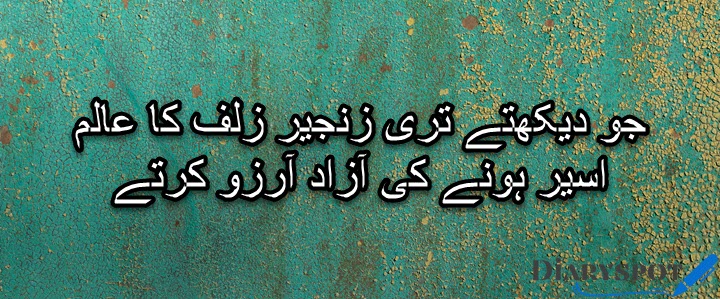
His poetry frequently captures the nuances of love and desire in exquisitely constructed metaphors and images, demonstrating a deep awareness of human emotions.
Khwaja Haider Ali Aatish in Urdu
Atish’s ghazals, which blend his distinct viewpoint with the conventional topics of Urdu poetry, are notable for their grace and simplicity. In contrast to some of his peers, he used simple language, but his expressions had a depth that both the average reader and literary connoisseurs found appealing.
His poetry was ageless because of its emotional resonance, which frequently resulted from his ability to express universal experiences. Because of his mastery of language and rhythm, he was able to craft lines that were both melodious and profound.
نہ پوچھ حال مرا چوب خشک صحرا ہوں
لگا کے آگ مجھے کارواں روانہ ہوا
Poetry enthusiasts often discover that deep emotional themes interconnect across different styles and eras. You can further expand your reading with our evocative compilations of Dagh Dehlvi Poetry in Urdu as well as the memorable couplets in Ayub Romani Poetry in Urdu and Islamic Poetry in Urdu.
Poetry enthusiasts often discover that deep emotional themes interconnect across different styles and eras. You can further expand your reading with our evocative compilations of Dagh Dehlvi Poetry in Urdu as well as the memorable couplets in Ayub Romani Poetry in Urdu and Raat Poetry in Urdu.
آئے بھی لوگ بیٹھے بھی اٹھ بھی کھڑے ہوئے
میں جا ہی ڈھونڈتا تری محفل میں رہ گیا
Atish explores spirituality and mysticism in her poetry in addition to love and desire. Drawing from the rich history of Sufi theology that influenced many Urdu poets, he frequently examined the fleeting nature of existence and the never-ending search for meaning.
His poetry expresses a desire for a closer relationship with God, showing love as a means of achieving spiritual enlightenment rather than just a material goal. Atish’s ability to blend the temporal and the eternal complicates his poetry, making it a rich topic for literary research and admiration.
عجب تیری ہے اے محبوب صورت
نظر سے گر گئے سب خوب صورت
نہ پاک ہوگا کبھی حسن و عشق کا جھگڑا
وہ قصہ ہے یہ کہ جس کا کوئی گواہ نہیں
Khwaja Haider Ali Aatish in Urdu Poetry
Atish’s poetical style is distinguished by its rich symbolic depth and vivid imagery. His ability to use metaphors and similes to stir feelings and produce powerful visual impressions was extraordinary. Atish’s imagery was consistently accurate and compelling, whether she was depicting the beauty of a beloved or the sadness of a shattered lover. This characteristic strengthened his poetry’s emotional impact in addition to improving its visual appeal.
His poetry is a wealth of interpretation because of the several levels of meaning that his use of symbolism allows readers to uncover in his rhymes.

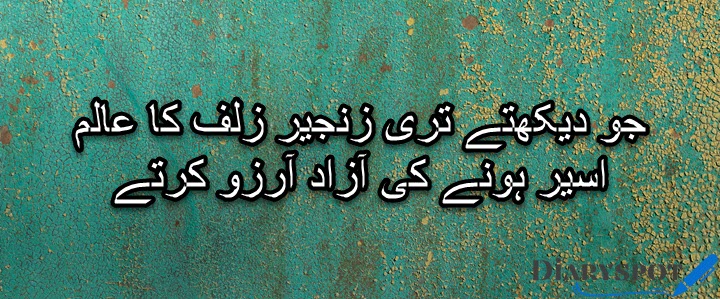

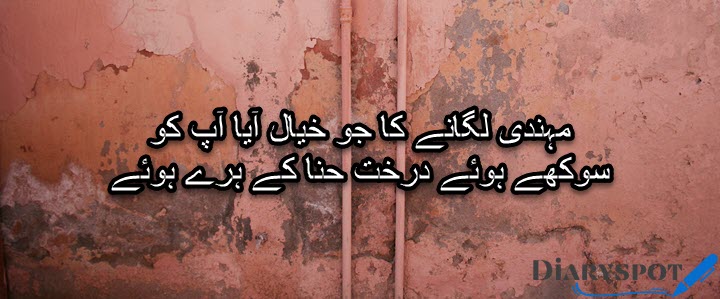
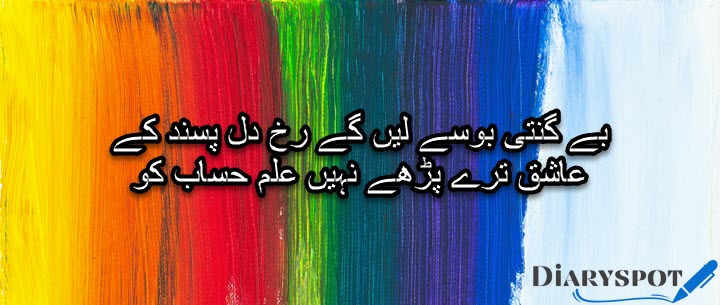
Atish’s focus on the aesthetic beauty of language is among his most significant contributions to Urdu poetry. He carefully considered the words he used, making sure his verses were both melodic and meaningful.
Atish distinguished himself as a master of Urdu verse by striking a balance between the emotional depth of his themes and the melodic quality of his language, which distinguished him from many of his contemporaries.
آپ کی نازک کمر پر بوجھ پڑتا ہے بہت
بڑھ چلے ہیں حد سے گیسو کچھ انہیں کم کیجئے
اٹھ گئی ہیں سامنے سے کیسی کیسی صورتیں
روئیے کس کے لیے کس کس کا ماتم کیجئے
لگے منہ بھی چڑھانے دیتے دیتے گالیاں صاحب
زباں بگڑی تو بگڑی تھی خبر لیجے دہن بگڑا
Khwaja Haider Ali Aatish ki Ghazal
The global appeal of Atish’s poetry has been praised for bridging cultural and temporal divides. Despite having a strong foundation in the traditions of classical Urdu poetry, his writings are still popular today because they offer a timeless examination of human emotions.
He demonstrates his ongoing relevance by communicating the intricacies of love, longing, and spiritual yearning in a way that is both sympathetic and approachable.
اے صنم جس نے تجھے چاند سی صورت دی ہے
اسی اللہ نے مجھ کو بھی محبت دی ہے
بت خانہ توڑ ڈالیے مسجد کو ڈھائیے
دل کو نہ توڑیئے یہ خدا کا مقام ہے
کچھ نظر آتا نہیں اس کے تصور کے سوا
حسرت دیدار نے آنکھوں کو اندھا کر دیا
سن تو سہی جہاں میں ہے تیرا فسانہ کیا
کہتی ہے تجھ کو خلق خدا غائبانہ کیا
The sociopolitical climate of his era greatly influenced Atish’s poetry. Living through a time of political unrest and cultural change, he frequently addressed the uncertainties and difficulties of his day in his poetry. Atish’s poetry captures the beauty and hardships of 19th-century Indian culture, offering a glimpse into its complexity.
His capacity to relate intimate feelings to more general historical and social facts gives his writing a new depth and makes it applicable to readers in a variety of settings and eras.
جو اعلی ظرف ہوتے ہیں ہمیشہ جھک کے ملتے ہیں
صراحی سرنگوں ہو کر بھرا کرتی ہے پیمانہ
بڑا شور سنتے تھے پہلو میں دل کا
جو چیرا تو اک قطرۂ خوں نہ نکلا
دوستوں سے اس قدر صدمے اٹھائے جان پر
دل سے دشمن کی عداوت کا گلہ جاتا رہا
فصل بہار آئی پیو صوفیو شراب
بس ہو چکی نماز مصلیٰ اٹھائیے
یار کو میں نے مجھے یار نے سونے نہ دیا
رات بھر طالع بیدار نے سونے نہ دیا
To sum up, people still regard Haider Ali Atish as a titan of Urdu literature, and his poetry still moves and captivates them. His work is a pillar of Urdu literary tradition because of his command of the ghazal form and his capacity to encapsulate the core of human emotions.
Whether examining spirituality, love, or social reality, Atish’s poetry provides a diverse range of ideas and expressions. In addition to enriching Urdu literature, his achievements have permanently altered South Asia’s creative and cultural legacy.
Also, explore our soulful collection of Tanhai Poetry in Urdu and Chand Poetry in Urdu.
For readers who appreciate these expressive thoughts and find solace in poetic contemplation, you will also deeply enjoy exploring our related collections in Abdul Hameed Adam Poetry in Urdu, Ali Zaryoun Poetry in Urdu, Majrooh Sultanpuri Poetry in Urdu.


Add comment