

 Muhammad Naeem
With his heartfelt music, renowned Pakistani Qawwali master Nusrat Fateh Ali Khan crossed linguistic and cultural barriers. He embodied Sufi doctrine by fusing classical poetry with intense passion.
Din dhal gaya suraj ka kahin naam nahi hai
Ae wada shikan ab bhi teri shaam nahi hai
Nusrat frequently performed the classic poetry of poets such as Bulleh Shah, Rumi, and Khwaja Ghulam Farid. His strong voice made difficult concepts incredibly relevant by bringing themes of divine love, togetherness, and spiritual ecstasy to life.

These profoundly mystic writings frequently highlighted the oneness of God, the transient aspect of existence, and the transformational potential of love.
Nusrat Fateh Ali Khan Poetry In Urdu
Nusrat Fateh Ali Khan Poetry in Urdu choices were deeply rooted in Sufism, a mystical branch of Islam focused on closeness to God. Themes like Ishq-e-Haqiqi (divine love) and Ma’rifa (spiritual wisdom) often appeared in his songs.
His renditions of Bulleh Shah’s works, such as “Tere Ishq Nachaya” (Your love made me dance), expressed divine unity. The lyrics, filled with longing and surrender, celebrated love as the path to God.
Aes To Dadha Dukh Na Koi
Pyar Na Vichre
Kise Da Yaar Na Vichre
Duniya Vichre Nahin Parwah
Dildar Na Vichre
Kise Da Yaar Na Vichre
Urdu literature intricately weaves emotion and introspection across various moods; readers who appreciate these expressive thoughts will deeply resonate with our featured selections in Mohsin Naqvi Poetry in Urdu and Waseem Barelvi Poetry in Urdu. Furthermore, the heartfelt reflections found in Nasha Poetry in Urdu offer a captivating companion to these timeless verses.
Urdu literature intricately weaves emotion and introspection across various moods; readers who appreciate these expressive thoughts will deeply resonate with our featured selections in Mohsin Naqvi Poetry in Urdu and Waseem Barelvi Poetry in Urdu. Furthermore, the heartfelt reflections found in Urdu in Urdu offer a captivating companion to these timeless verses.
Nusrat brought classical Sufi poetry to life with intricate imagery and layered meanings. He often explored self-annihilation in the divine, especially in Rumi’s works. Through music and vocals, he clarified Rumi’s themes of unity and transition.
In “Sanson Ki Mala Pe Simroon Main,” he expressed selfless devotion, where each breath becomes an act of love and remembrance of the Creator. His deep understanding of symbolism made him a bridge between the poet’s intent and the audience’s spiritual experience.
Mere Rashk E Qamar Tu Ne Pehli Nazar
Jab Nazar Se Milaayi Maza Aa gaya
Barq Si Gir Gayi Kaam Hee Kar Gayi
Aag Aisee Lagaayi Maza Aa gaya
Nusrat Fateh Ali Khan Poetry in English
The poetic themes in Nusrat’s Qawwali performances frequently went beyond spiritual rapture to touch on love, the human condition, and the never-ending pursuit of truth. For example, Khwaja Ghulam Farid’s poetry often served as the foundation for his performances. Love is the ultimate truth, according to Farid’s poems, and finding divine beauty requires overcoming one’s ego.
The longing and vulnerability inherent in such poetry were highlighted by Nusrat’s performance of *”Maula Maula”*. While the rhythmic patterns of Qawwali imparted a mesmerizing aspect that drew the listener into a contemplative state, his deep voice caught the unadulterated emotions of longing and surrender.
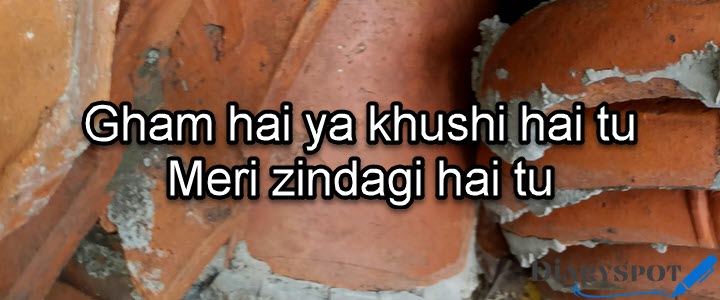



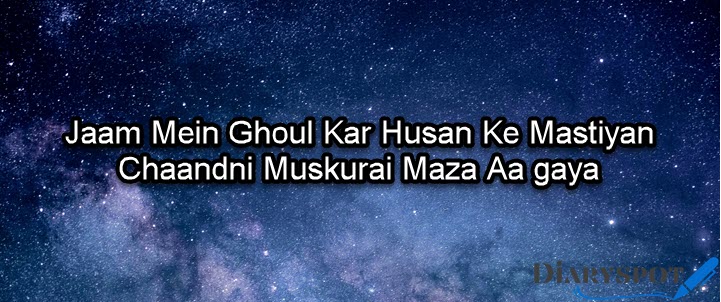
Nusrat showcased his talent by performing Urdu and Punjabi poetry, including Qateel Shifai’s “Tumhein Dillagi Bhool Jani Padegi.” His songs explored themes of unrequited love and the bittersweet nature of relationships.
The depth of these pieces reflected longing and grief. Nusrat’s ability to blend the sacred with the earthly made his music relatable to all audiences.
ایسا دیکھا نہیں خوبصورت کوئی
جسم جیسے اجنتا کی مورت کوئی
جسم جیسے نگاہوں پہ جادو کوئی
کہنا غلط غلط تو چُھپانا صحیح صحیح
قاصد کہا جو اس نے، بتانا صحیح صحیح
یہ صبح صبح چہرے کی رنگت اُڑی ہوئی
کل رات تم کہاں تھے بتانا صحیح صحیح
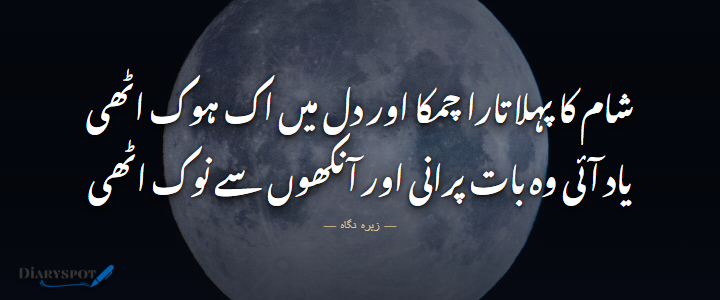
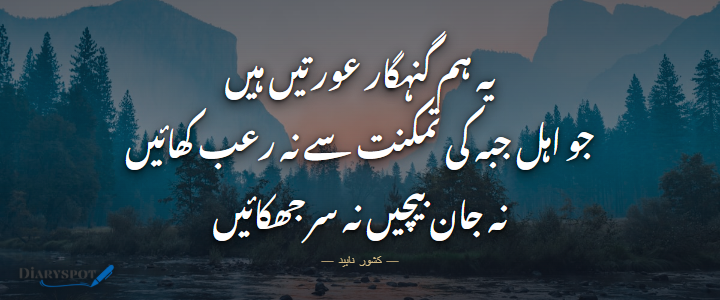
Nusrat Fateh Ali Khan 2 line Shayari
Nusrat also celebrated poetry by working with contemporary poets and musicians. His collaboration with Bollywood lyricists such as Anand Bakshi and Javed Akhtar brought his talent to a larger audience. Songs like Javed Akhtar’s *”Afreen Afreen”* blended modern themes of beauty and adoration with old literary traditions.
These lyrics were heightened by Nusrat’s interpretation, which revealed the deep feelings concealed in the ostensibly straightforward lyrics. His stirring yet subtle performance demonstrated how poetry may be a living, breathing tradition as well as an age-old art form.
Chaand Ke Sa'ay Mein Ay Mere Saaqiya
Tu Ne Aisee Pilaayi Maza Aa gaya
inj vichchde mud nahi aaye
mud nahi aaye jaani door gaye
jaawo ni koi mod lehyaawo
mud nahi aaye jaani door gaye
mere sakhiyo dard wandaawo ni
koi lagda chaara laawo ni
mere maahi nu mod lehyawo ni
The universality of the poetry Nusrat embraced was the source of his music’s international appeal. His emphasis on spiritual and Sufi themes made sure that his music would always be relevant. Nusrat broke free from the limitations of language and location by singing about ideas like humility, tolerance, and divine love.
People of many faiths and cultural backgrounds found inspiration and comfort in his Qawwalis, which were laced with the poetry of saints and sages.
aisa banna sanwarna mubarik tumhein
kamse kam itna kehna hamaara karo
wo kya sanwar gaye
meri kisat sanwar gayi
wo agar ban sanwar gaye honge
dekhne wale marr gaye honge
hazaaron wada e shab usne is soorat se taale hain
kabhi mehdi lagayi hai kabhi gesu sambhale hain
In conclusion, one of the main pillars of Nusrat Fateh Ali Khan’s artistic development was his involvement with poetry. Whether interpreting classical poets’ works or working with contemporary composers, Nusrat made poetry a dynamic, living art form.
His music struck a chord with people all around the world because of his ability to relate to the spiritual and emotional core of poetry. Nusrat’s legacy as a poet-singer is still unmatched, demonstrating the potency of words when paired with a soul-stirring voice.
Also, explore our soulful collection of Tanhai Poetry in Urdu and Chand Poetry in Urdu.
For readers who appreciate these expressive thoughts and find solace in poetic contemplation, you will also deeply enjoy exploring our related collections in Mohsin Naqvi Poetry in Urdu, Sufi Tabassum Poetry in Urdu, Saghar Siddiqui Poetry in Urdu.


Add comment