

 Muhammad Naeem
Twilight in the poem *Good Evening* depicts the serene and reflective beauty as the day’s bustle is replaced by the stillness and quiet of the night. The special characteristics of evening light, the soft, fading colors of sunset, and the mystery of dusk descending are frequently sources of inspiration for poets.
رنج ہے حالت سفر حال قیام رنج ہے
صبح بہ صبح رنج ہے شام بہ شام رنج ہے
Because the end of the day is a time of stillness and closure, evening poetry permits a nuanced examination of themes like rest, reflection, and metamorphosis. For poetry about longing, nostalgia, and serenity, it is a natural theme because it is a time to reflect on the past and find comfort in the dark’s protecting embrace.

Evening poetry, no matter how simple or intricate, is always a celebration of those brief moments that transfer the stress of the day into the peaceful embrace of the night.
Good Evening Poetry in Urdu Text
Evening poetry evokes human feelings by fusing longing and gratitude. In contrast to the morning’s vigor and the afternoon’s bustle, the evening’s soft serenity encourages introspection. Nighttime poetry frequently features nature, with the stars and sunset providing a calm setting for examining inner emotions.
Awe at the beauty and rhythm of nature is evoked by a luminous evening sky when day gives way to starlight. Poets express love, nostalgia, and bittersweet feelings in this context.
اب تو چپ چاپ شام آتی ہے
پہلے چڑیوں کے شور ہوتے تھے
The beauty of classical and contemporary Urdu shayari lies in its universal resonance. If you find solace in these verses, explore the profound artistic depth of Romance Poetry in Urdu, alongside the poignant lyrical expressions in Bewafa Poetry in Urdu and Zehra Nigah Poetry in Urdu.
The beauty of classical and contemporary Urdu shayari lies in its universal resonance. If you find solace in these verses, explore the profound artistic depth of Romance Poetry in Urdu, alongside the poignant lyrical expressions in Bewafa Poetry in Urdu and Dard Bhari Poetry in Urdu.
کبھی تو شام ڈھلے اپنے گھر گئے ہوتے
کسی کی آنکھ میں رہ کر سنور گئے ہوتے
Evening poetry is still quite popular today, with poets coming up with fresh approaches to this ageless subject. For instance, neon lights and the hum of traffic are frequently used to represent urban evenings rather than peaceful forests and starry skies.
Poets continue to find beauty in the contrast of light and dark, noise and silence, life and stillness, but the fundamental feelings are still present. The notion of reflection and calm power continues even though contemporary evening poetry may relate to the rhythms of city life or the personal quiet experienced even in a crowded location.
دوستوں سے ملاقات کی شام ہے
یہ سزا کاٹ کر اپنے گھر جاؤں گا
شام ہوتے ہی کھلی سڑکوں کی یاد آتی ہے
سوچتا روز ہوں میں گھر سے نہیں نکلوں گا
Good Evening Poetry in Urdu in English
Poetry about Good Evening also discusses loneliness and connection. Whether sitting at a table or stargazing, individuals often get closer to one another when night falls. However, as darkness falls, evening is also a time for isolation, an opportunity to spend time alone with one’s thoughts.
Evening poetry in urdu is full of contrasts because of this duality: between light and dark, between friendship and loneliness, between ending and beginning. A natural passage from the young dawn to the mature dusk, the evening becomes a metaphor for aging or the later stages of life in certain poetry.




This analogy instills a sense of peace into the aging process by implying that there is wisdom and beauty in life’s quiet times, just as there is in the evening.
Good evening poetry, in all its forms, encourages readers to take a moment to slow down, take in the waning light, and sit with their own reflections as the day gives way to night. It provides solace, a gentle place to digest the feelings of the day and life in general, and a reminder of life’s rhythms.
تم پرندوں سے زیادہ تو نہیں ہو آزاد
شام ہونے کو ہے اب گھر کی طرف لوٹ چلو
نہ اداس ہو نہ ملال کر کسی بات کا نہ خیال کر
کئی سال بعد ملے ہیں ہم تیرے نام آج کی شام ہے
Dhalti Shaam Poetry in Urdu Text
Furthermore, poetry written in the evening frequently finds strength in subdued, silent language and in imagery that subtly stays in the memory. Words like “dusky,” “soft,” “shadows,” and “glow” help to create a calm and reflective environment.
The noises of the evening, such as crickets chirping and leaves rustling in the chilly breeze, give the poetry a tactile quality that makes the scenes seem real and urgent.
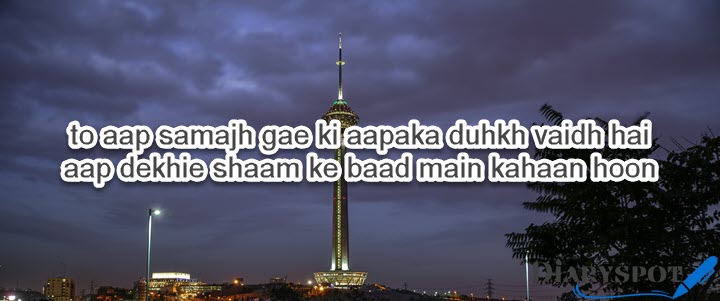
yoon to har shaam ummeedon mein guzar jaatee hai
aaj kuchh aisa hai jo mujhe shaam ko rula gaya
ajeeb tha vo saathee, sabaka dil roya
ki shaam ko dukh chha gaya, aur bhor hote hee vah chala gaya
اندھیری شام تھی بادل برس نہ پائے تھے
وہ میرے پاس نہ تھا اور میں کھل کے رویا تھا
Even evening poetry’s form is typically less hectic, emphasizing free space among lines and a smooth cadence that evokes the leisurely pace of a stroll in the evening or the languid atmosphere of dusk.
Poets frequently employ metaphors to evoke a shared quiet time where unsaid feelings might emerge, such as the sun falling as a heart settling or shadows creeping as unsaid thoughts. Also, check out Good Night Poetry in Urdu.
shagal achchha hai vah bhee jaade kee shaamon mein
ekaant mein baithakar smaran karate hain
ham shaam ke kaalepan se santusht the
mujhe tum batao, dhoop din
mere hee aasamaan ka rang aisa hai
varana shaam udaas hai
shaam se aankh mein namee hai
mujhe aaj phir tumhaaree yaad aa rahee hai
The nighttime experience is a concept that transcends generations and cultures due to its universality. The theme of dusk has inspired poets all over the world, from Western writers like William Wordsworth who sought serenity in the stillness of the evening to Japanese haiku poets like Matsuo Basho who encapsulated the beauty of twilight in a few lines.
For readers who appreciate these expressive thoughts and find solace in poetic contemplation, you will also deeply enjoy exploring our related collections in Naya Saal Poetry in Urdu, New Year Poetry in Urdu, Smiling Poetry in Urdu.


Add comment