

 Muhammad Naeem
Poetry from “Munafiq” explores the idea of hypocrisy, particularly as it relates to moral, social, and spiritual deceit. A “munafiq” in Islamic culture is someone who poses as a believer but lacks true faith; they frequently exhibit external piety while secretly violating fundamental beliefs. Poets who address this issue emphasize the conflicts between sincerity and dishonesty, appearance and truth.
منافقوں کے بھرےہوۓ اِک ہجوم میں
وَفا کے اُس دعویدارنےبھی نیا صنم گڑھ لیا
Since the concept of munafiq is a potent critique of individuals in positions of authority who act contrary to justice and righteousness while claiming to promote these very beliefs, their work frequently strikes a deep chord with readers going through similar experiences.
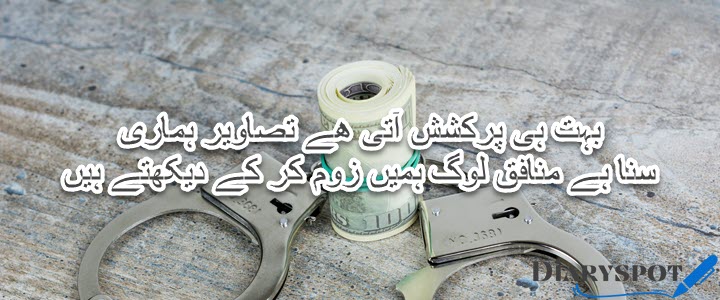
This genre frequently criticizes individuals who take advantage of moral, societal, or religious standards for their own benefit or social status by examining hypocrisy.
Munafiq Poetry in Urdu copy-paste
Munafiq themes frequently manifest in traditional Islamic poetry as covert critiques of dishonest leaders or preachers who deceive the people by posing as morally pure. Such topics were frequently discussed, if quietly, by Persian poets such as Rumi, Saadi, and Hafez, who concentrated on themes of inner vs outside truth.
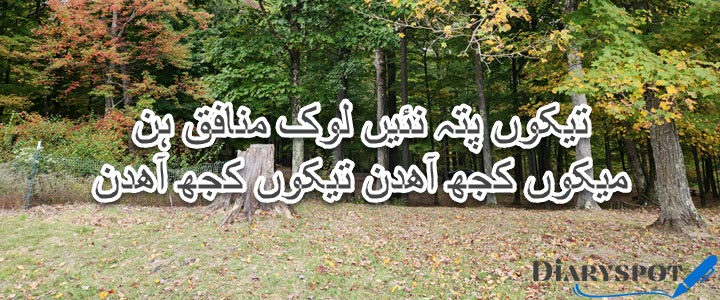
بہت خوش مزاج سے رہتے ہیں
جب سے منافق یار چھوڑے ہم نے
Urdu literature intricately weaves emotion and introspection across various moods; readers who appreciate these expressive thoughts will deeply resonate with our featured selections in Nasha Poetry in Urdu and Sharab Poetry in Urdu. Furthermore, the heartfelt reflections found in Parveen Shakir Poetry in Urdu offer a captivating companion to these timeless verses.
Urdu literature intricately weaves emotion and introspection across various moods; readers who appreciate these expressive thoughts will deeply resonate with our featured selections in Nasha Poetry in Urdu and Sharab Poetry in Urdu. Furthermore, the heartfelt reflections found in Arshad Malik Poetry in Urdu offer a captivating companion to these timeless verses.
کبھی کبھی یہ تیرا مجھ سے ہم سُخن ہونا
مُنافقت بھی اگر ہے تو خوبصورت ہے
They criticized people who put on a front of piety yet behaved differently by using metaphors and parables. For instance, Rumi frequently talked about the value of genuine inner spirituality and contrasted it with the behavior of people who only engage in religious rites for display.
Anecdotes in Saadi’s *Gulistan* illustrate moral hypocrisy, in which individuals who advocate for virtues like compassion or humility are the first to secretly renounce them.
جو دل کو اچھے لگتے ہیں انہی کو اپنا کہتے ہیں
منافق بن کر رشتوں کی سیاست ہم نہیں کرتے
آئے دن بدلتے ہیں زباں کا بیان
منافق بھی یہی اور انہی کا میزان
Munafiq Rishtedar Poetry in Urdu
Munafiq poetry acquired a keen, frequently scathing edge in Urdu poetry, particularly in the 18th and 19th centuries.
Mirza Ghalib and Mir Taqi Mir were among the poets who subtly exposed the hypocrisy that pervaded royal and privileged circles through their poetry. They revealed a society’s moral flaws and the discrepancy between words and deeds by denouncing societal pretenses and emphasizing personal vulnerability.
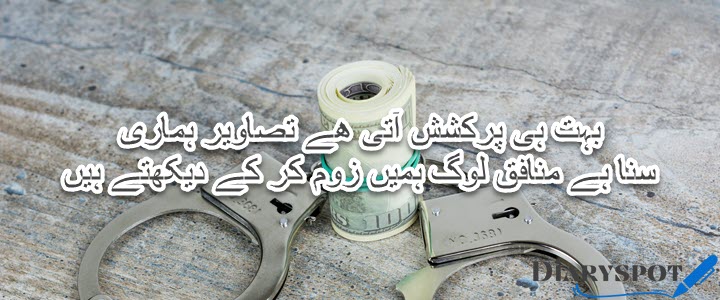
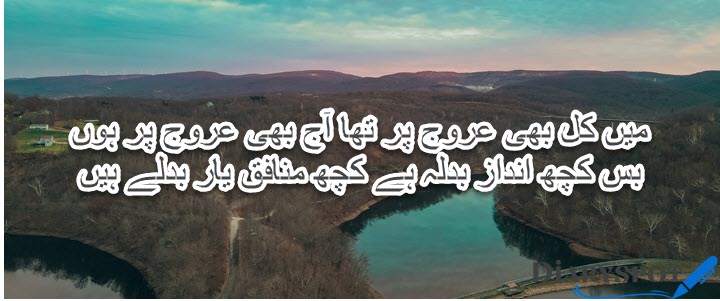

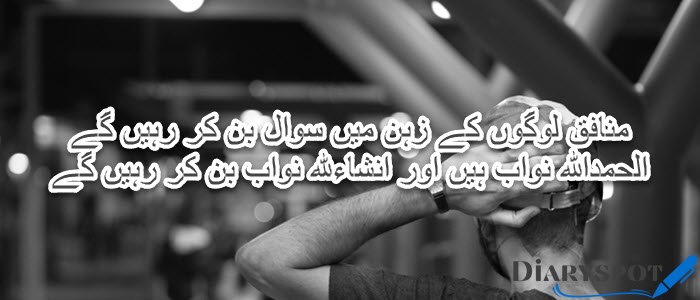
This tradition has been carried on more recently by modern Urdu poets who use poetry with munafiq themes to expose social injustice, religious exploitation, and governmental corruption.
کامیابیوں پر مٹھائی مانگنے والے
اکثر تکلیفوں میں نظر نہیں آتے
منافقت کے دریچوں سے روشنی لے کر
فریب دیتے ہیں اکثر رنانیوں کے چراغ
Munafiq Poetry in Urdu Text
These days, munafiq poetry frequently addresses the widespread hypocrisy in politics, the media, and social institutions in a contemporary manner.
منافقت سے جب تھکو تو سامنا کرنا
ہمارا دل بھی بڑا ہے اور پہچان بھی
شہر منافقت کی اِن تنگ و تاریک گلیوں میں
شکستہ پا ہی سہی مگر سر اُٹھا کے چلیں گے
منافقت کی سیاست ہم کرتے نہیں
اور ہماری مخالفت کے تم قابل نہیں
تیرے علاج کا خرچہ میں خود اُٹھاتا مگر
منافقت ابھی تک لاعلاج ہے میرے دوست
Modern poets boldly denounce the deceit present in many spheres of life, challenging the moral character of those in positions of power, taking a more forthright stance than their classical counterparts. Since these poems give voice to the everyday people who observe these injustices, their audience is frequently very open to these subjects.
کیسے کہہ دوں کہ مجھے چھوڑ دیا ہے
اس نے بات تو سچ ہے مگر بات ہے رسوائی کی
ہماری صفوں میں مرشد
منافقوں کا احترام نہیں کیا جات
میں اپنوں سے امید لگانے لگی تھی
پھر مجھے قصہ یوسف یاد آ گیا
منافق اور جھوٹے لوگ کبھی
کسی کے سکے نہیں ہوتے
Because it reflects society and encourages readers to reflect, this genre is an essential component of the poetic tradition in Islamic-influenced countries.
For readers who appreciate these expressive thoughts and find solace in poetic contemplation, you will also deeply enjoy exploring our related collections in Dushmani Poetry in Urdu, Shikwa Poetry in Urdu, Dard Bhari Poetry in Urdu.


Add comment