

 Muhammad Naeem
Ghazal poetry’s appeal to universal emotions caused its popularity to spread far beyond the Middle East and Persia. Persian influence brought ghazal poetry to South Asia in the 12th century, when it was adapted and improved in Urdu. Here, poets such as Mir Taqi Mir, Mirza Ghalib, and Faiz Ahmed Faiz rose to prominence, solidifying the ghazal’s position as a key work of South Asian literature.
ہاں مجھے آج بھی پسند ہے وہ
اس کو کہتے ہیں لازوال پسند
Ghazals are read, sung, and appreciated all across the world today, demonstrating the genre’s capacity to transcend linguistic and cultural barriers.

The ghazal is essentially a poetry form that embodies the beauty of human contemplation and longing, a fusion of art and emotion. Ghazal poetry’s complex form and expressive vocabulary enable poets to express universally relatable emotions of love, grief, and the pursuit of meaning.
Ghazal Poetry In Urdu Sad
Ghazals typically use elaborate, metaphorical language that is rich in symbolism, giving their verses depth. The rose, nightingale, wine, and candle are common symbols that each stand for a distinct facet of beauty, love, and the transient quality of life. For example, the nightingale symbolizes the lover who sings of their desire, and the rose frequently portrays the cherished.
Even while these symbols appear frequently in ghazals, each poet handles them differently, giving readers a rich tapestry of emotions to understand and additional layers of significance.
Sach na kahiye K sach hai sabr talab
Log hote hain ishte’aal pasand
Urdu literature intricately weaves emotion and introspection across various moods; readers who appreciate these expressive thoughts will deeply resonate with our featured selections in Ghamgeen Poetry in Urdu and Aansu Shayari in Urdu. Furthermore, the heartfelt reflections found in Dagh Dehlvi Poetry in Urdu offer a captivating companion to these timeless verses.
Urdu literature intricately weaves emotion and introspection across various moods; readers who appreciate these expressive thoughts will deeply resonate with our featured selections in Ghamgeen Poetry in Urdu and Aansu Shayari in Urdu. Furthermore, the heartfelt reflections found in Atbaf Abrak Poetry in Urdu offer a captivating companion to these timeless verses.
Haan mujhe aaj bhi pasand hai woh
Is ko kahte hain lazawaal pasand
A ghazal’s self-contained couplets enable poets to express a range of feelings and ideas in a single poem. Because each line can express a distinct emotion, this special quality enables the juxtaposition of themes and ideas. The rhyme scheme and refrain that run through the entire poem are typically introduced in the first couplet, or *matla*.
The ghazal’s distinctive musicality comes from this refrain, called the *radif*, and a rhyming word, called the *qafia*, after each couplet. The poet typically adds their pen name or *takhallus* in the concluding couplet, or *maqta*, to give the poetry a more intimate feel.
Fikr e duniya nahi mujhe Ahmad
Apni masti aur apni khaal pasand
Mile bina hi bichharne ke Dar se laut aaye
Ajeeb khauf mein hum us ke dar se latu aaye
Heart-touching Urdu Ghazals
With roots in Arabic, Persian, and Urdu literature, ghazal poetry is a rich and evocative kind of lyrical poetry with a lengthy history. Ghazals, which have their roots in Arabic poetry from the 7th century, convey themes of love, longing, grief, and the beauty of both union and separation.
Typically, a ghazal is composed of five to fifteen *shers*, or couplets, each of which expresses a distinct idea or feeling while remaining cohesive in terms of mood or theme. In several languages, including Persian, Urdu, Turkish, and more recently, English, the genre is praised for its structure and expressive language.

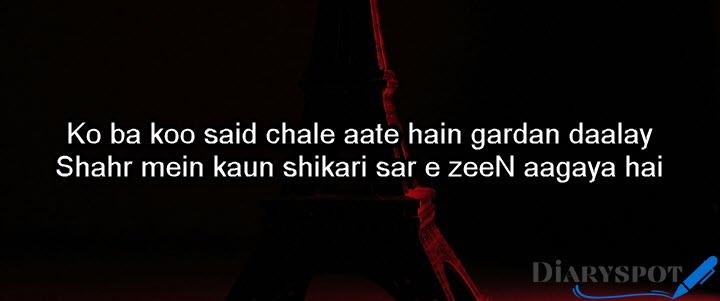
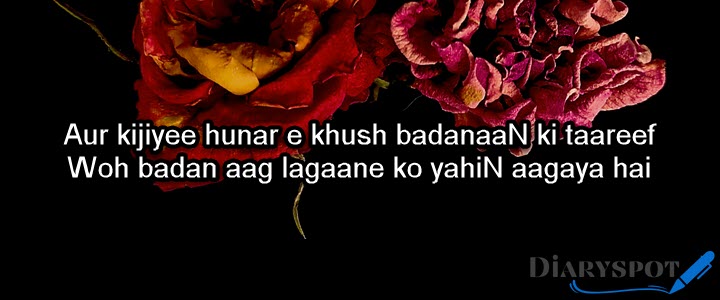


A major theme in ghazal poetry is love, both divine and worldly. It often represents an unreachable ideal. Many ghazals use metaphors to express the pain of separation from a beloved. They also explore the desire for connection. Poets examine grief, loneliness, and existential longing. They reflect on what it means to yearn for the unattainable.
Lab uske, saamne the aur hum ne chooma nahi
Samajh lo paon uThay aur dar se laut aaye
Abhi to waqt hai suraj ke doobne mein to phir
Ye kya hua K parinday safar se laut aaye
Kisi bhi tarah ye duniya na chhoR paye hum
K jab bhi nikle teri rahguzar se laut aaye
Ghazal Poetry In Urdu Text
Ghazal’s poetry has changed over time, with poets experimenting with themes and language while maintaining the classic form. English-language poets have also embraced the ghazal form in recent years, fusing its classical components with contemporary subjects.
English ghazals have become popular due to poets like Agha Shahid Ali. They explore themes like loss, identity, and migration. This cross-cultural shift shows the ghazal’s adaptability and timeless appeal. It proves the form stays relevant even in new settings.
Wasl ko hijr, naagehaani maut
Hijr ko mausam e wesaal pasand
Na aise roiye naakaamii -e- muhabbat per
Khushi manaaiye zinda bhanwar se laut aaye
Yeh sochte hue baithe hain raah mein ruk kar
Udhar to gaye hi nahi the jidhar se laut aaye
In South Asia, ghazals are read and performed musically. *Ghazal singing* highlights the words’ rhythm and emotions. Singers like Begum Akhtar, Mehdi Hassan, and Jagjit Singh popularized this tradition worldwide. Musical adaptations deepen the emotional impact and enhance understanding of the poetry.
Hilm hai ahl e ilm ka shewaa
Jaah walon ko hai jalaal pasand
Phir us ne dekha koi tara toot_te ek raat
Phir ek roz musafir safar se laut aaye
Mere guzarne ki afwaah hi uRaade koi
Kise khabar K woh jhooti khabar se laut aaye
Poets find the ghazal form both challenging and inspiring due to its strict structure. Its rhyme and refrain require accuracy and discipline. This can be artistically taxing but pushes poets to convey nuanced feelings creatively.
The ghazal balances rigid structure with thematic flexibility. This equilibrium captivates both readers and writers. Its adaptability highlights its lasting appeal.
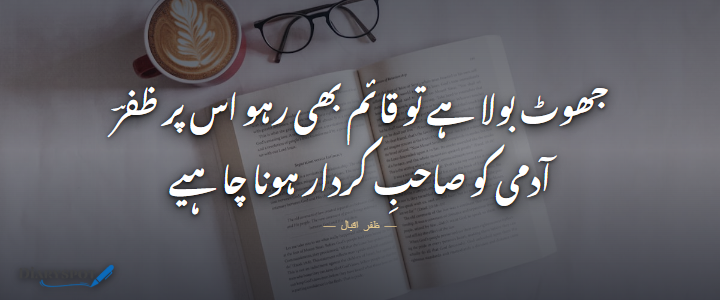
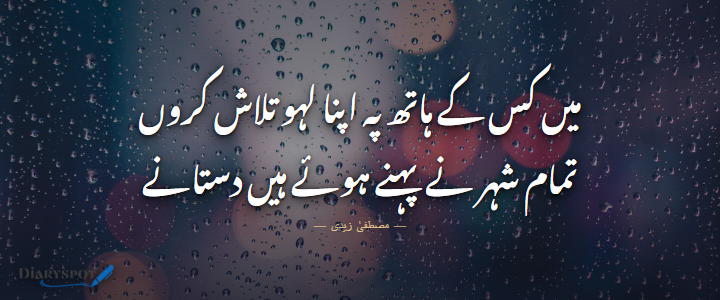


Add comment